If you want a Denver neighborhood that can work for both student life and early homeownership, University deserves a close look. You may be weighing rent against buying, trying to live near DU without relying on a car, or figuring out whether this area fits your budget and lifestyle. The good news is that University offers a mix of transit access, nearby retail, and housing options that can make sense for both DU students and first-time buyers. Let’s dive in.
Why University stands out
The University neighborhood is closely tied to the University of Denver campus, creating a true campus-adjacent environment rather than a purely residential pocket. According to DU’s neighborhood overview, the campus sits just off I-25 and University Boulevard, less than 15 minutes from downtown, with easy access to the city through nearby transit.
That location gives the area a practical advantage. You are not just choosing a place near campus. You are choosing a neighborhood with built-in access to lectures, performances, athletics, and everyday conveniences that support a connected, active routine.
Transit makes daily life easier
For many students and young professionals, the biggest draw is transportation. The University of Denver Station at 1901 E Buchtel Blvd offers E and H rail lines, Route 24 bus service, 540 parking spaces, and bike racks and lockers.
DU also notes that the station sits on the north edge of campus, making trips to downtown and the airport more straightforward. Students also benefit from CollegePass access to RTD, and DU’s campus shuttle offers free on-demand rides around campus and nearby areas, according to DU’s transit and mobility information.
If you are hoping for a mostly car-light lifestyle, this neighborhood can support it. That will depend on your own routine and comfort with rail, bus, walking, biking, and shuttle service, but the infrastructure is clearly a major asset here.
Nearby streets are still improving
The neighborhood is not standing still. DU’s Denver Advantage framework outlines plans for more retail, hospitality, and restaurant options, along with safer bikeways and pedestrian paths.
The City of Denver is also investing through its University Neighborhoods Safer Streets program, with improvements focused on Buchtel, Evans, and the University and Colorado station areas. That includes protected bike lanes, sidewalk gap closures, and intersection upgrades, which could continue to improve how easy the neighborhood feels to navigate over time.
Everyday amenities near DU
Convenience matters, especially if you want to keep errands simple. DU highlights the Evans and University intersection as a nearby hub for casual restaurants, coffee shops, convenience stores, and late-night food options in its car-free neighborhood guide.
You are also close to South Pearl Street, which DU describes as about a 15-minute walk or short bike ride north of campus. That district adds another layer of appeal with independent shops, restaurants, cafes, and a seasonal farmers market.
For buyers, that mix matters. Being near both campus activity and neighborhood retail can make daily life easier while also supporting long-term appeal if you plan to stay put for several years.
What homes are like in University
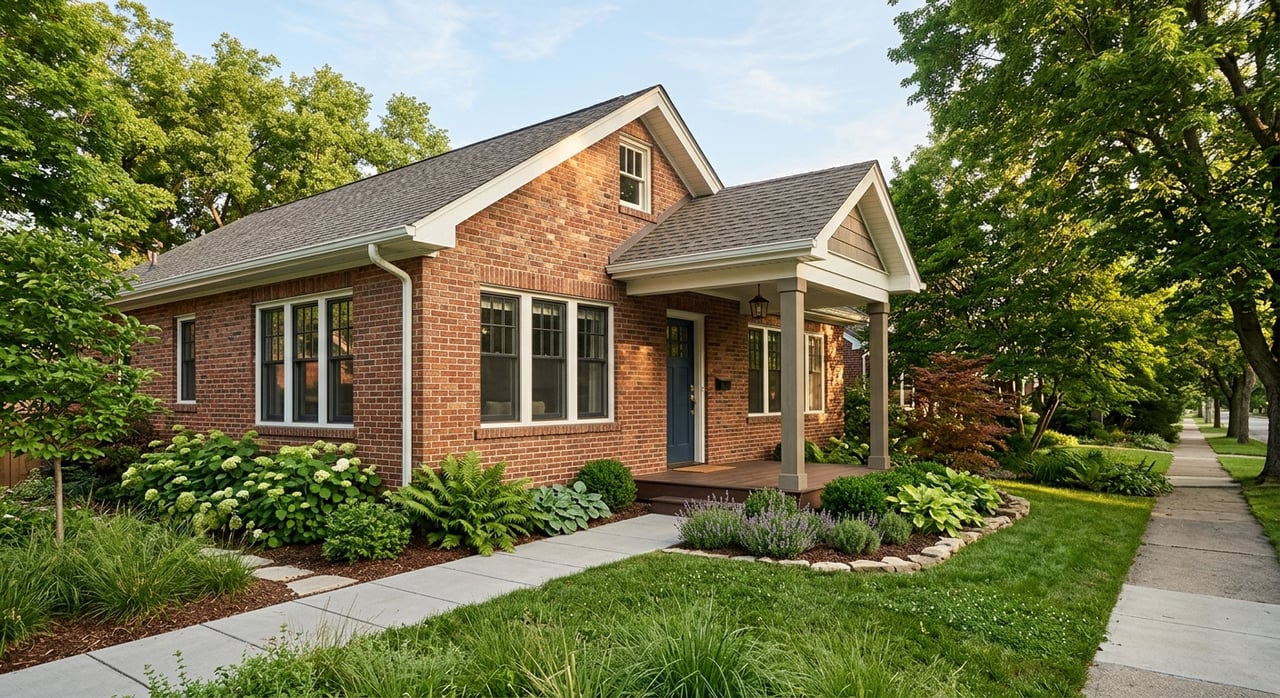
The housing mix near DU tends to be varied. NeighborhoodScout’s University of Denver profile says the area includes mainly small to medium-sized single-family homes, along with apartment complexes and high-rise apartments, and that many residences were built between 1940 and 1969.
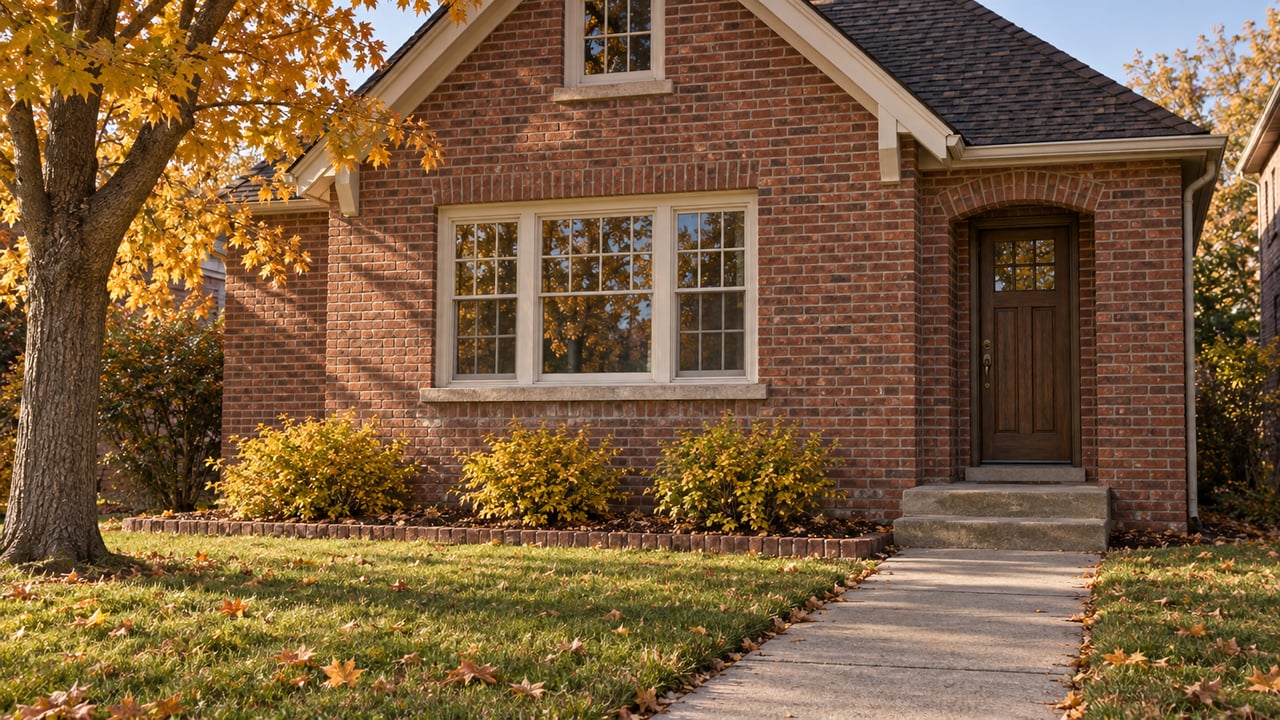
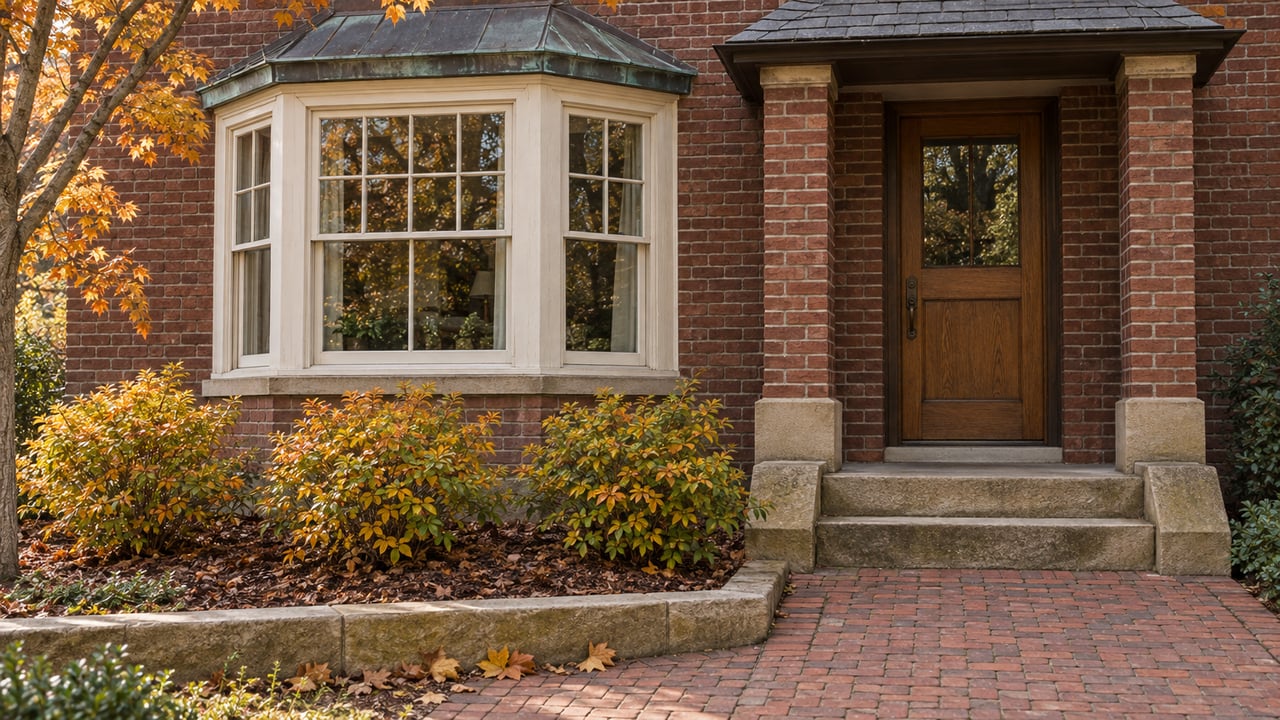
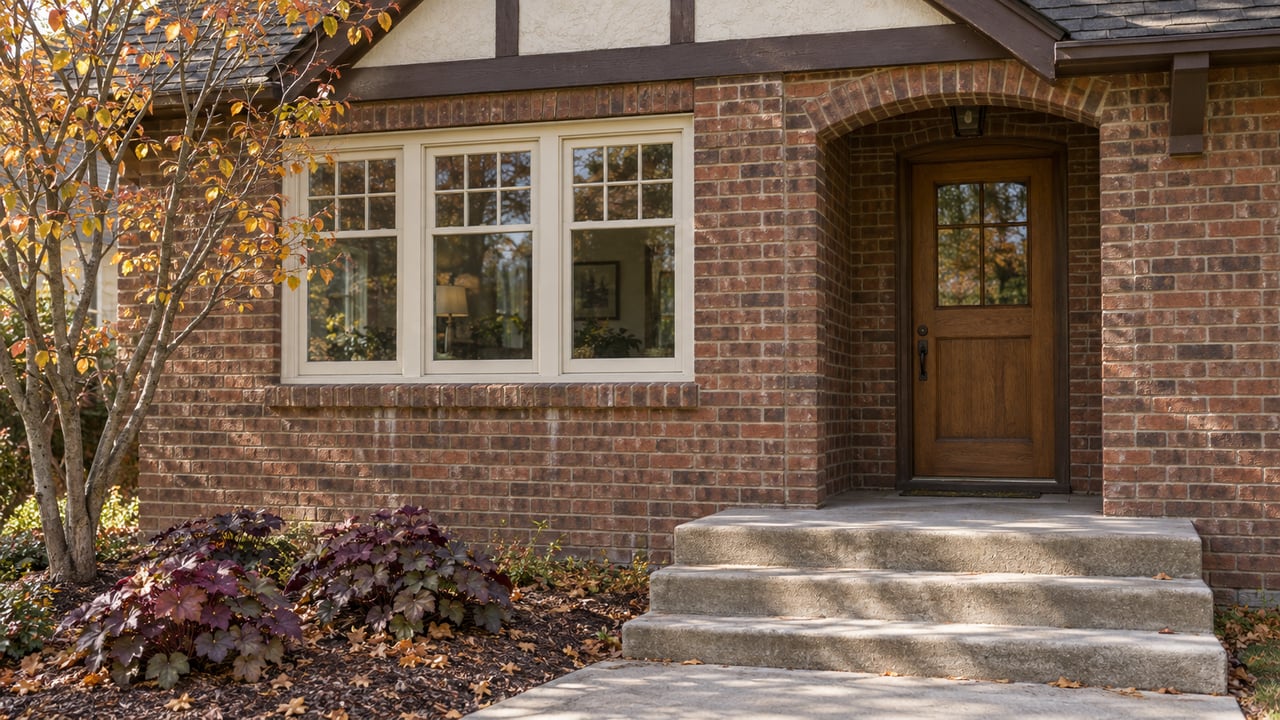
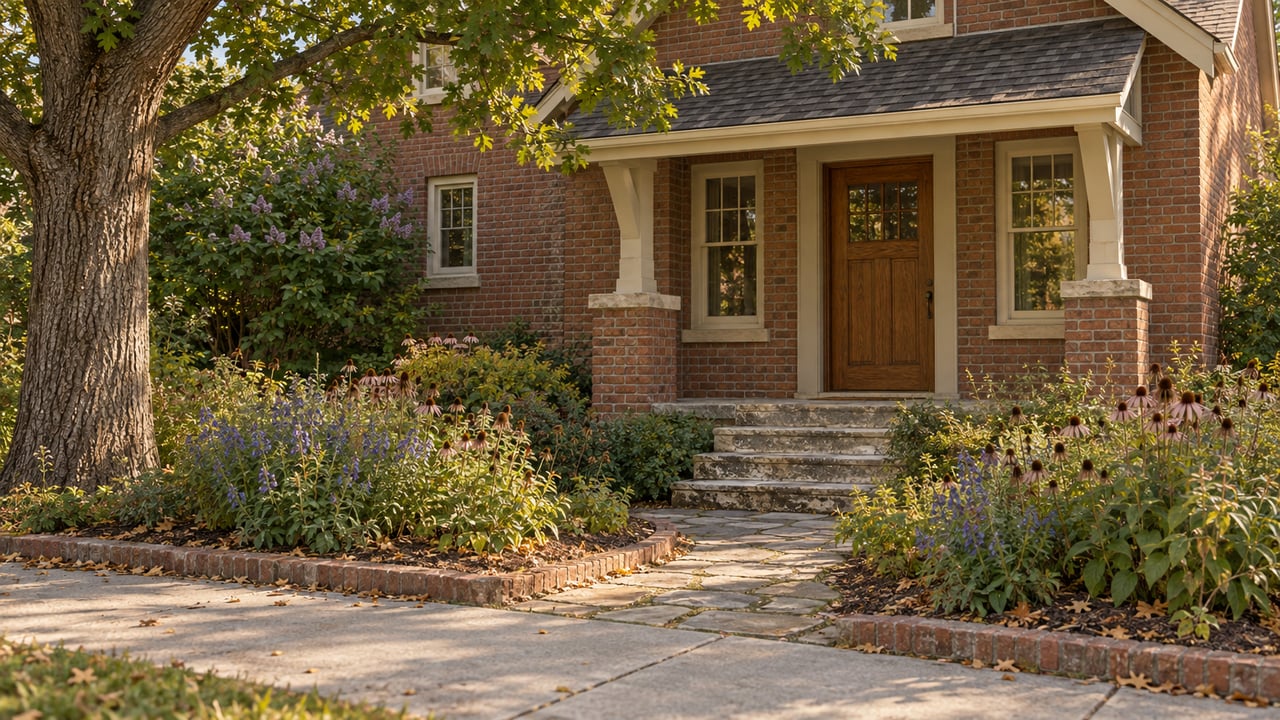
That older housing stock helps explain the neighborhood’s architectural character. In practical terms, you will likely see a blend of detached homes, smaller rentals, and apartment options near campus, which creates flexibility for different budgets and life stages.
DU also plays a direct role in the rental market. The university states that it owns and operates 131 rental units surrounding campus, including single-family homes and apartments. That points to consistent student-oriented rental demand in the immediate area.
What University costs right now
For neighborhood-specific pricing, the clearest snapshot in the research comes from Realtor.com’s University market overview. As of December 2025, it reports:
- Median home sale price: $637,000
- Median rent: $1,550 per month
- Homes for sale: 40
- Rentals available: 47
- Sale-to-list ratio: 98%
- Median days on market: 96
That same snapshot labels University a seller’s market, even though both sale prices and rents were down year over year. In plain language, this means buyers may still face competition, but not necessarily the kind of ultra-fast conditions Denver saw in hotter periods.
Neighborhood data can vary by source
It helps to know that different data providers use different boundaries and methods. Realtor.com also shows the broader 80210 ZIP code with a median home price of $800,000 and median rent of $1,595, but that should be treated as wider DU-area context rather than a direct match for the University neighborhood.
Meanwhile, NeighborhoodScout reports a higher median real estate value of $961,498 and an average rent of $2,173 for its census-tract-based University of Denver profile. These figures are best read as complementary data points, not contradictions, because they are measuring slightly different geographies.
Is University good for DU students?
For many DU students, yes. The neighborhood’s strongest advantage is convenience.
You have rail access, bus service, campus shuttle support, and nearby places to eat and shop. DU also notes that these transit links make downtown and the Tech Center accessible without needing to drive for every trip.
If your goal is to live close to class and keep transportation simple, University checks a lot of boxes. It is especially appealing if you value time savings and flexibility more than extra square footage.
Is University realistic for first-time buyers?
It can be, but it requires clear planning. With a median home sale price of $637,000 and median rent of $1,550, the rent-versus-buy question usually comes down to your timeline, down payment, monthly comfort level, and willingness to handle maintenance and closing costs.
This is not an entry-level market in the broadest sense, but it may still work for first-time buyers who want a central location and plan to stay for a longer hold period. If your budget supports it, buying here could offer a path to building equity in a well-connected Denver neighborhood.
Key tradeoffs to think through
Before you decide, focus on these practical questions:
- How long do you expect to stay in the home?
- How much do you want to spend monthly compared with current rent?
- Are you comfortable taking on repairs and ongoing upkeep?
- Do you value location and transit more than having a larger home?
- Would a condo, townhome, or smaller detached home better fit your first purchase?
For many first-time buyers, the neighborhood makes the most sense when convenience and long-term utility outweigh the desire for maximum size.
Could house hacking work here?
For some buyers, it may be worth exploring. Denver says accessory dwelling units are allowed in all residential areas of the city, and Colorado’s 2024 ADU law requires subject jurisdictions to allow them where single-unit detached dwellings are allowed.
That does not mean every property will qualify. Site-specific zoning, design standards, parking rules, and HOA restrictions can still shape what is possible. But in an area with strong student demand, the right property could offer added flexibility if you are thinking long term.
What the market means for buyers today
A broader metro view can help set expectations. REcolorado’s March 2026 housing report described the Denver metro market as more balanced overall.
Even so, the University neighborhood snapshot from December 2025 still pointed to seller’s-market conditions. That suggests you should be prepared, but not panicked. In this kind of market, having a clear budget, realistic priorities, and neighborhood-specific guidance can make a big difference.
Best fit for your goals
University tends to fit buyers and renters who care most about access, convenience, and flexibility. It is especially worth considering if you want to be near DU, use transit regularly, or stay connected to both campus life and the rest of Denver.
For students, it can support a practical car-light lifestyle. For first-time buyers, it offers a chance to own in a well-located area, though budget discipline matters. For both groups, the neighborhood’s appeal comes down to location and usability more than bargain pricing.
If you are thinking about buying near DU or comparing University with other central Denver neighborhoods, working with a local broker who understands both the numbers and the block-by-block feel can help you make a smarter move. When you’re ready for tailored guidance, connect with Molly Weiss for a polished, personalized approach to your Denver home search.
FAQs
Can DU students live in the University neighborhood without a car?
- Yes, many students can manage a mostly car-light lifestyle thanks to the University of Denver Station, RTD access, CollegePass, DU’s campus shuttle, and nearby retail options.
What types of homes are available in University, Denver?
- The area includes a mix of small to medium-sized single-family homes, apartments, and rental properties, with much of the housing stock built between 1940 and 1969.
Is the University neighborhood affordable for first-time buyers?
- It can be for some buyers, but it is not a low-cost neighborhood, so your decision will likely depend on your budget, down payment, and how long you plan to stay.
What is the current home price in University, Denver?
- Realtor.com reported a median home sale price of $637,000 for the University neighborhood as of December 2025.
Does the University neighborhood have good transit access?
- Yes, the neighborhood benefits from the University of Denver Station, E and H rail lines, Route 24 bus service, bike facilities, and campus shuttle access.
Can buyers add an ADU in the University neighborhood?
- Possibly, since Denver allows ADUs in all residential areas, but feasibility depends on the specific property, zoning, design standards, parking requirements, and any HOA rules.