If you are thinking about selling in Congress Park, preparation matters more than ever. Buyers in this central Denver neighborhood are not just comparing square footage or finishes. They are also weighing character, condition, and how well a home fits the lifestyle that draws people to Congress Park in the first place. With the right prep, you can reduce surprises, highlight what makes your property special, and come to market with confidence. Let’s dive in.
Why Congress Park prep looks different
Congress Park sits within Denver’s East Central Area, a central corridor known for parks, cultural attractions, historic landmarks, and a mix of housing types. That means buyers often look at the full picture when they shop here. They are evaluating both the home and the surrounding neighborhood experience.
For many sellers, that creates an opportunity. If you own a bungalow, Denver Square, condo, or townhome in Congress Park, your sale strategy should reflect what buyers already value about the area: charm, livability, and central location. Recent city improvements to Congress Park Playground and walk connections also support that story by reinforcing neighborhood accessibility and day-to-day convenience.
Start with curb appeal
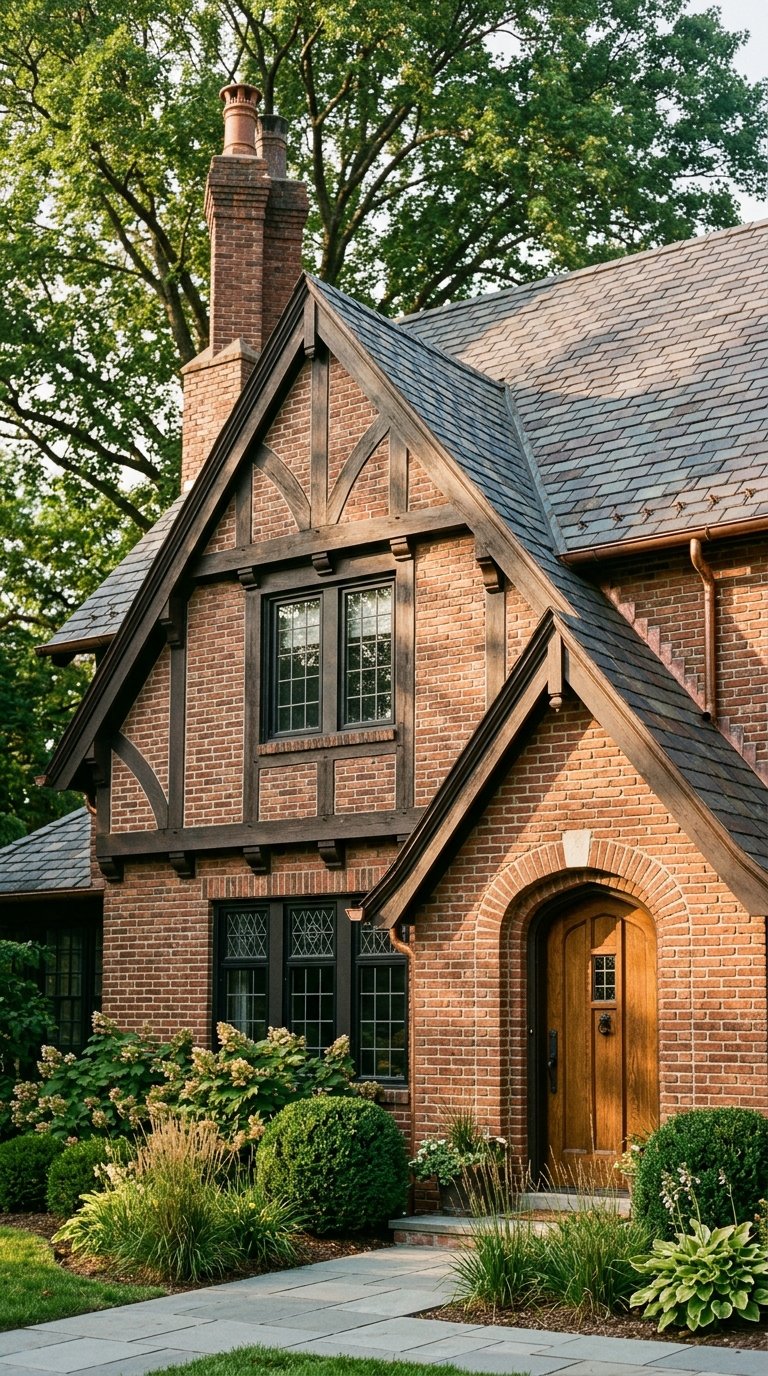
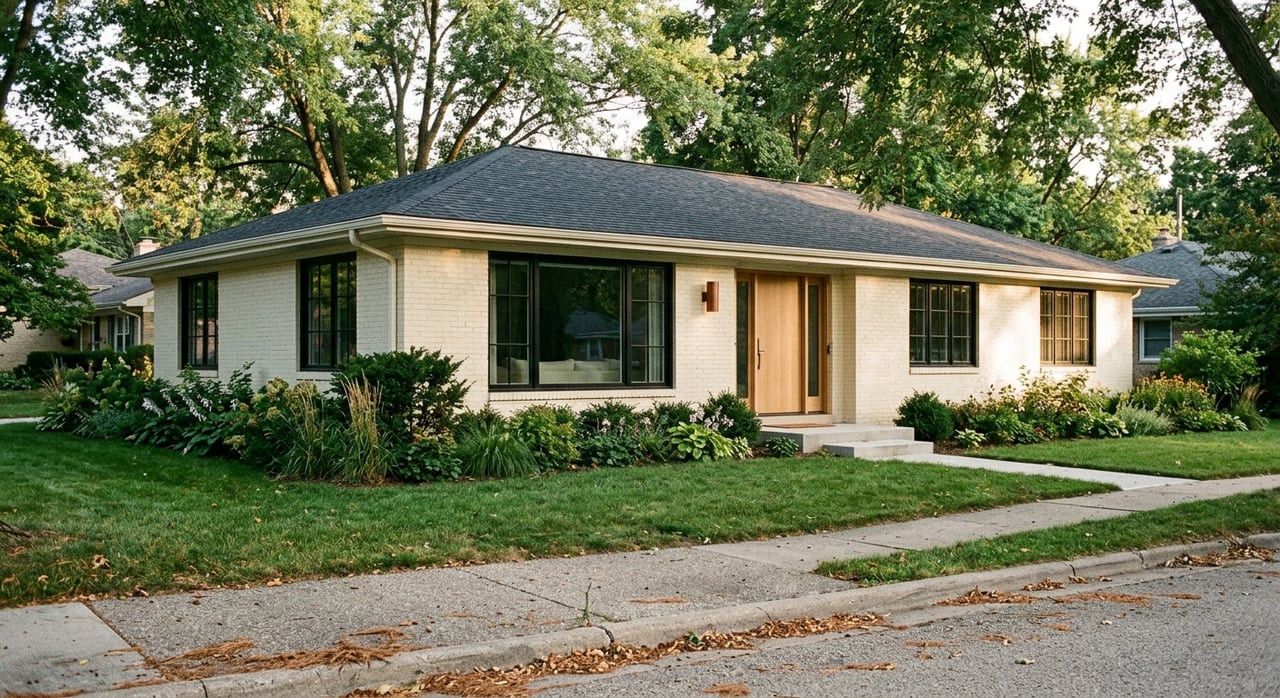
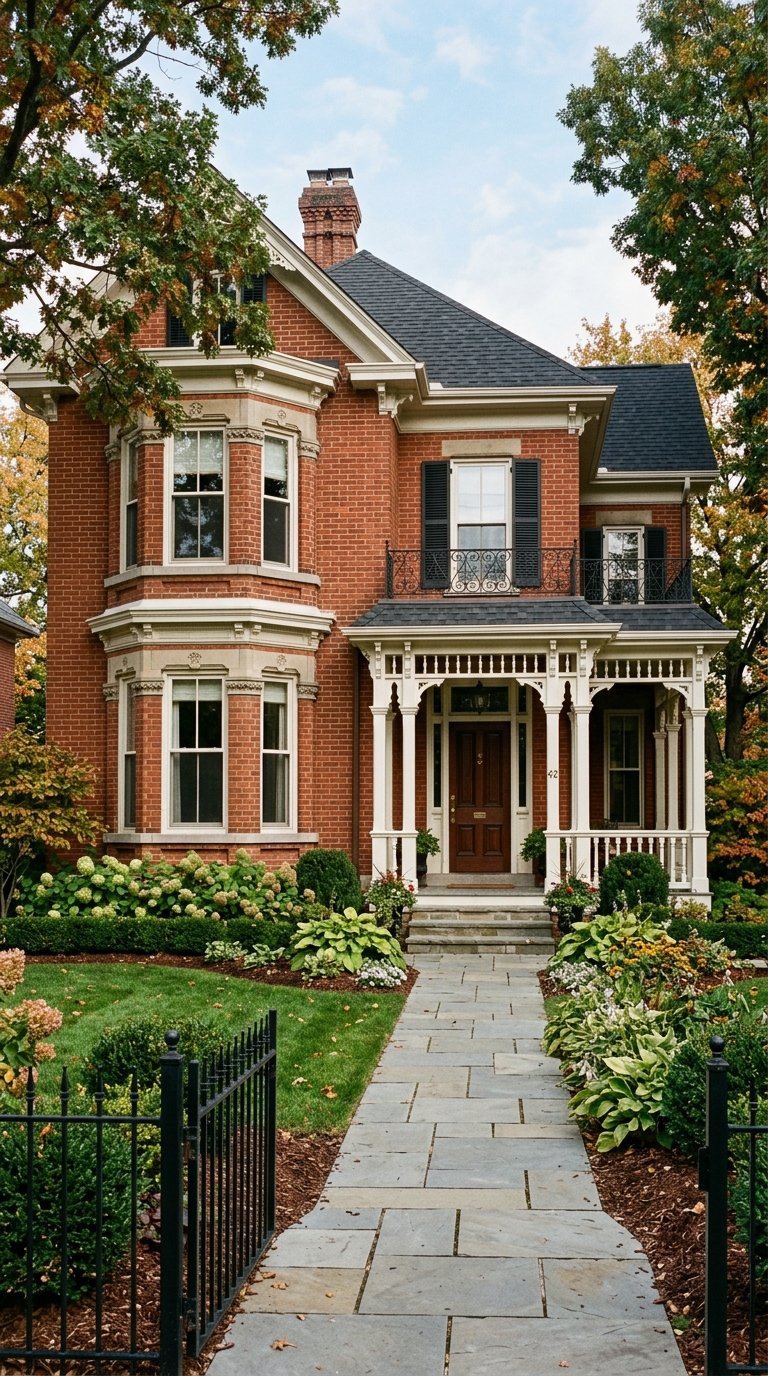
If you only tackle a few projects before listing, make the exterior count. According to DMAR’s May 2026 Home Improvement Month guidance, buyers increasingly want move-in-ready homes, and eight of the ten highest-ROI projects are exterior updates.
That does not mean you need a major renovation. It means visible, practical improvements often do more for resale than expensive upgrades buyers may not fully value. In Congress Park, a clean and well-kept exterior can shape the entire first impression before anyone steps inside.
Exterior updates worth considering
- Touch up peeling paint or worn trim
- Refresh the front door and hardware
- Repair loose steps, gates, or porch details
- Clean up landscaping and define walkways
- Replace damaged light fixtures or house numbers
- Address cracked concrete or obvious deferred maintenance
These projects help your home feel cared for. In a neighborhood where historic character is part of the appeal, small exterior details can carry a lot of weight.
Preserve character where possible
Congress Park includes older homes where original design elements often matter to buyers. Denver’s preservation framework is designed to protect historic buildings, and the city’s guidance makes compatibility with original architecture especially important when changes are made.
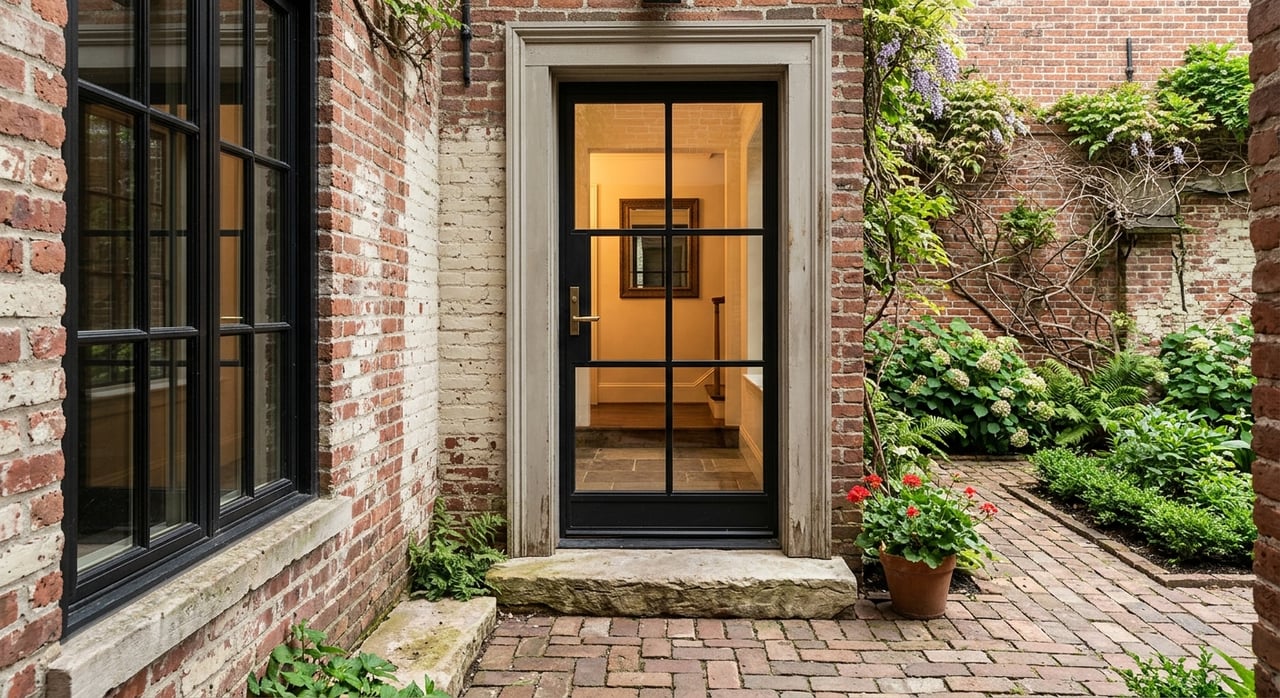
For sellers, that creates a smart rule of thumb: keep authentic period features when they still serve the home well. Original millwork, built-ins, trim, doors, brick details, and porch elements can help a property stand out. Instead of stripping away character, focus on presenting those features in a clean, functional, and polished way.
Blend charm with function
The strongest presentation is often character plus usability. Buyers may love vintage details, but they also want a home that feels well maintained and easy to move into.
That could mean keeping original architectural details while improving lighting, repainting in a neutral palette, refinishing worn floors, or replacing obviously dated fixtures that distract from the home itself. The goal is not to make an older home feel new. The goal is to make it feel cared for, comfortable, and ready for its next owner.
Check historic rules before exterior work
Before you start replacing windows, rebuilding a porch, changing a fence, or making larger site updates, verify whether your property is individually designated or located in a historic district. Denver Landmark Preservation reviews many exterior changes that require a building or zoning permit for landmarked properties and properties in historic districts.
This step matters because approval rules can affect your timeline and project scope. Denver also notes that some neighborhoods and historic districts have customized guidelines in addition to broader city guidance.
What to verify early
- Whether your property is individually landmarked
- Whether it sits within a historic district
- Whether your planned exterior work requires a permit
- Whether your area has customized design guidelines
- Whether a pre-application meeting with the city makes sense
Doing this due diligence early can save time and prevent last-minute listing delays. It also helps you avoid spending money on changes that may not be the right fit for the home or the rules that apply to it.
Handle radon before buyers ask
In Colorado, radon should be part of your pre-listing checklist. The Colorado Department of Public Health and Environment says radon is odorless and colorless, that about half of Colorado homes are above the EPA action level, and that all homes should be tested.
For sellers in Congress Park, this is especially relevant if your home has a basement or lower level. In a real estate transaction, the state recommends testing the lowest area that could be converted to living space. Colorado also requires radon measurement and mitigation to be performed by licensed professionals.
Why early radon prep helps
A recent radon test or documented mitigation can reduce uncertainty during inspection. That does not guarantee a smoother transaction in every case, but it can help answer questions before they become a source of stress.
If your home has older basement space, this is one of the most practical items to address before going live. It signals preparation and can make the inspection period feel more manageable for both sides.
Focus on visible, useful improvements
Not every project deserves your time or budget before a sale. In today’s market, the best pre-listing updates are usually the ones buyers notice right away and appreciate immediately.
That often includes repairs, cleaning, paint, lighting, flooring touch-ups, and exterior maintenance. Large luxury remodels are less likely to return dollar for dollar, especially if they reflect personal taste instead of broad buyer appeal.
A simple seller filter
Before spending money, ask yourself:
- Will buyers see this right away?
- Does it improve function or reduce concern?
- Does it support a move-in-ready impression?
- Does it respect the home’s original style?
- Will it help the home compete at its expected price point?
If the answer is yes to most of those questions, it may be worth doing. If not, your budget may be better spent on presentation, repairs, or pricing strategy.
Price for today’s Denver market
Preparation is only half the equation. Pricing still drives results, especially in a steadier and more balanced market.
DMAR’s April 2026 report showed a Denver Metro median close price of $605,000, 11,539 active listings, 3,926 closed sales, 14 median days in MLS, and a 99.44 percent close-price-to-list-price ratio. The broader takeaway is that stability is not stagnation. Well-priced homes are still moving efficiently, but buyers have options and are paying attention.
Why timing matters less than readiness
The old idea that there is one perfect listing month is less reliable than it used to be. In this market, it often makes more sense to list when your home is truly ready and your price is defensible from day one.
That is especially true in a neighborhood like Congress Park, where buyers often compare condition, style, and location block by block. If your home launches before it is fully prepared, you may lose momentum that is hard to recapture later.
Property type affects strategy
Congress Park includes detached homes as well as attached properties, and the market does not treat them exactly the same. DMAR’s April 2026 analysis showed detached homes outperforming attached homes in key segments. In the $750,000 to $999,999 range, detached homes had 2.34 months of inventory compared with 5.72 months for attached homes.
If you are selling a detached bungalow or Denver Square, that data supports a confident but disciplined approach. If you are selling a condo or townhome, condition and pricing may matter even more because buyers may have more direct alternatives.
What that means for your sale
Detached sellers should still avoid overpricing, even in stronger segments. Attached sellers should be especially careful about presentation, repairs, and early pricing discipline.
In both cases, the goal is the same: meet the market with a home that looks ready, reads clearly, and feels worth the asking price.
Tell the Congress Park story well
Selling in Congress Park is not just about bedrooms and bathrooms. It is also about how the home connects to the neighborhood around it.
Because the area is part of a central Denver corridor known for parks, historic landmarks, and mixed housing, buyers are often drawn to the broader experience of living here. The 2024 improvements to Congress Park’s playground and walk connections add another concrete point of neighborhood livability that can support your home’s presentation.
That story should feel factual and grounded. Highlight preserved architectural details, central access, walkability features, and nearby public spaces without overstating or overpromising. When the home is prepared well and marketed thoughtfully, those neighborhood qualities become part of a stronger overall first impression.
A smart prep plan for sellers
If you want a practical path forward, keep your pre-listing process simple and focused.
Your Congress Park seller checklist
- Walk the exterior and fix visible deferred maintenance.
- Verify whether landmark or historic district rules apply.
- Preserve original character where possible.
- Make interior updates that improve cleanliness, light, and function.
- Test for radon, especially if you have basement space.
- Gather records for repairs, maintenance, or mitigation work.
- Price based on today’s competition, not old peak-market assumptions.
- Launch only when the home is truly ready.
The best results usually come from thoughtful preparation, not over-improvement. When you pair smart updates with realistic pricing and polished marketing, your home is in a much better position to stand out.
If you are preparing to sell in Congress Park and want a tailored plan for your home, Molly Weiss offers concierge-level guidance, neighborhood expertise, and thoughtful positioning designed for Denver sellers.
FAQs
What home improvements matter most before selling in Congress Park?
- Exterior and other high-visibility improvements tend to matter most, especially projects that help the home feel clean, maintained, and move-in ready.
Do Congress Park historic homes need approval before exterior work?
- If the home is individually landmarked or located in a historic district, many exterior changes that require a building or zoning permit may need review from Denver Landmark Preservation.
Is radon testing important before listing a home in Congress Park?
- Yes. Colorado recommends testing all homes for radon, and this is especially important for homes with basements or lower levels that could be used as living space.
Should you wait for spring to list a Congress Park home?
- Not necessarily. In today’s steadier Denver market, it is often better to list when your home is fully ready and priced well rather than waiting for a specific season.
Does pricing strategy differ for detached and attached homes in Congress Park?
- Yes. Recent Denver market data showed detached homes outperforming attached homes in some segments, so condos and townhomes may need even tighter pricing and stronger condition polish to compete.