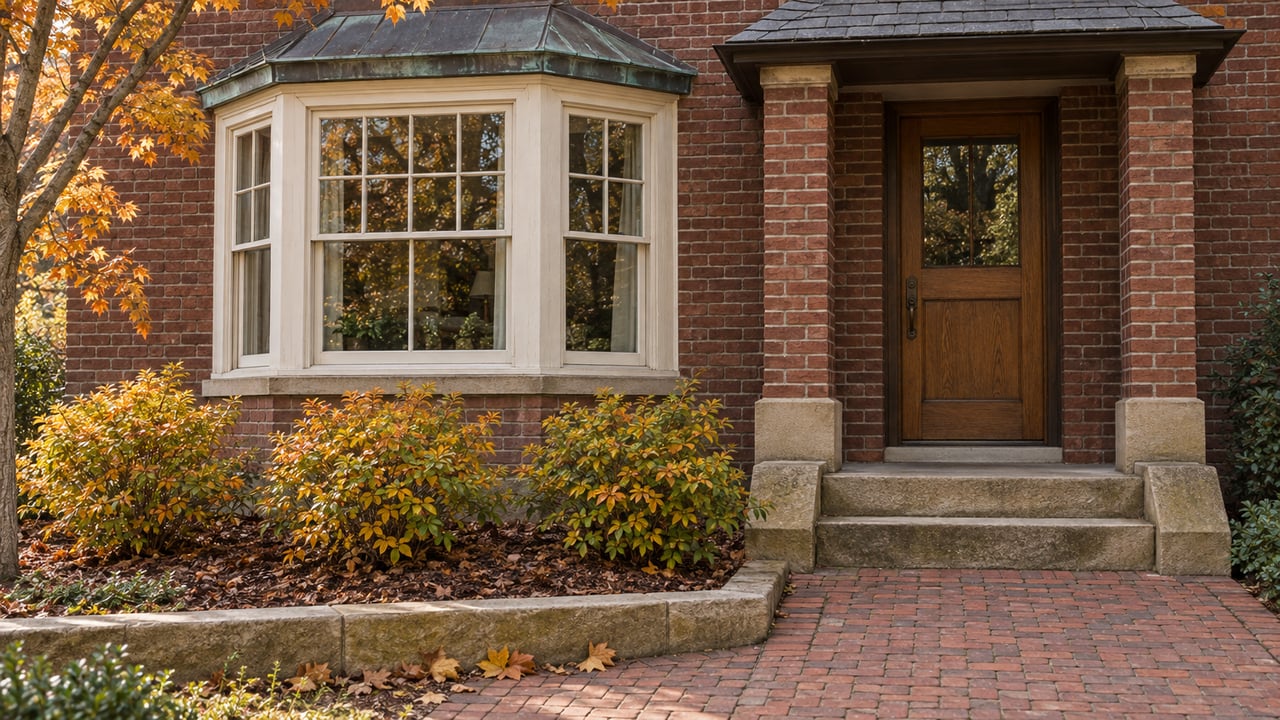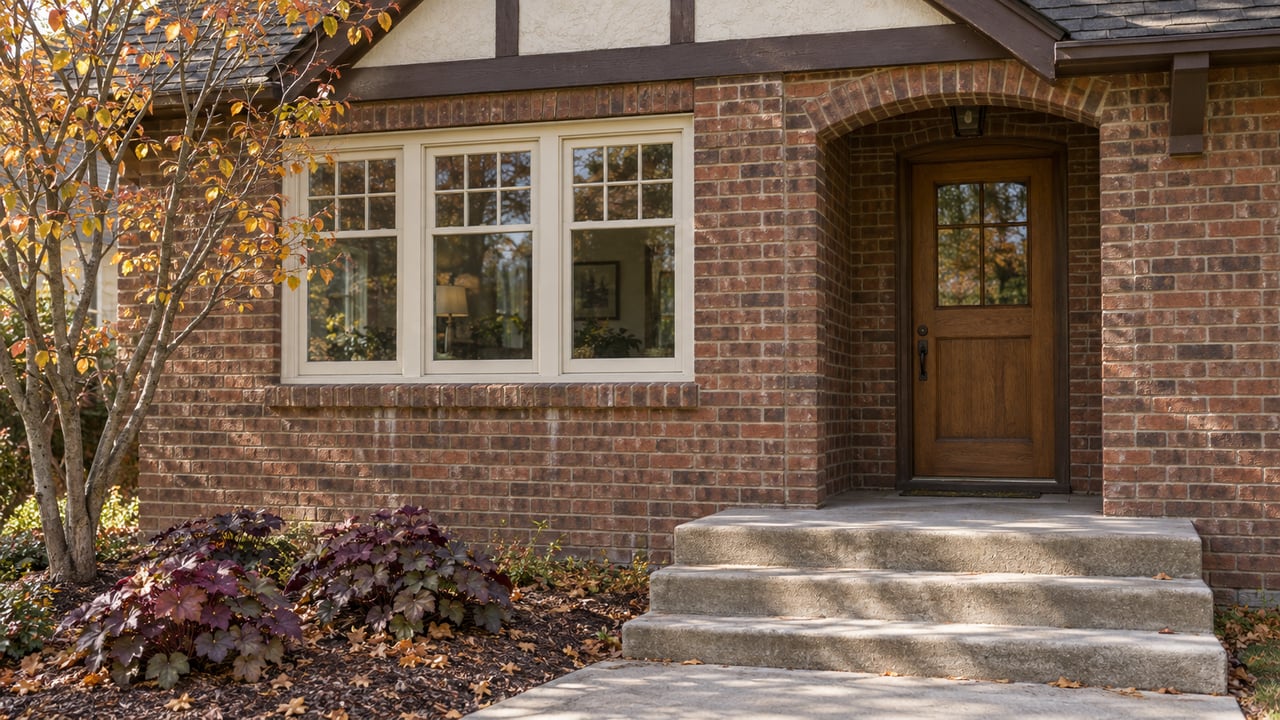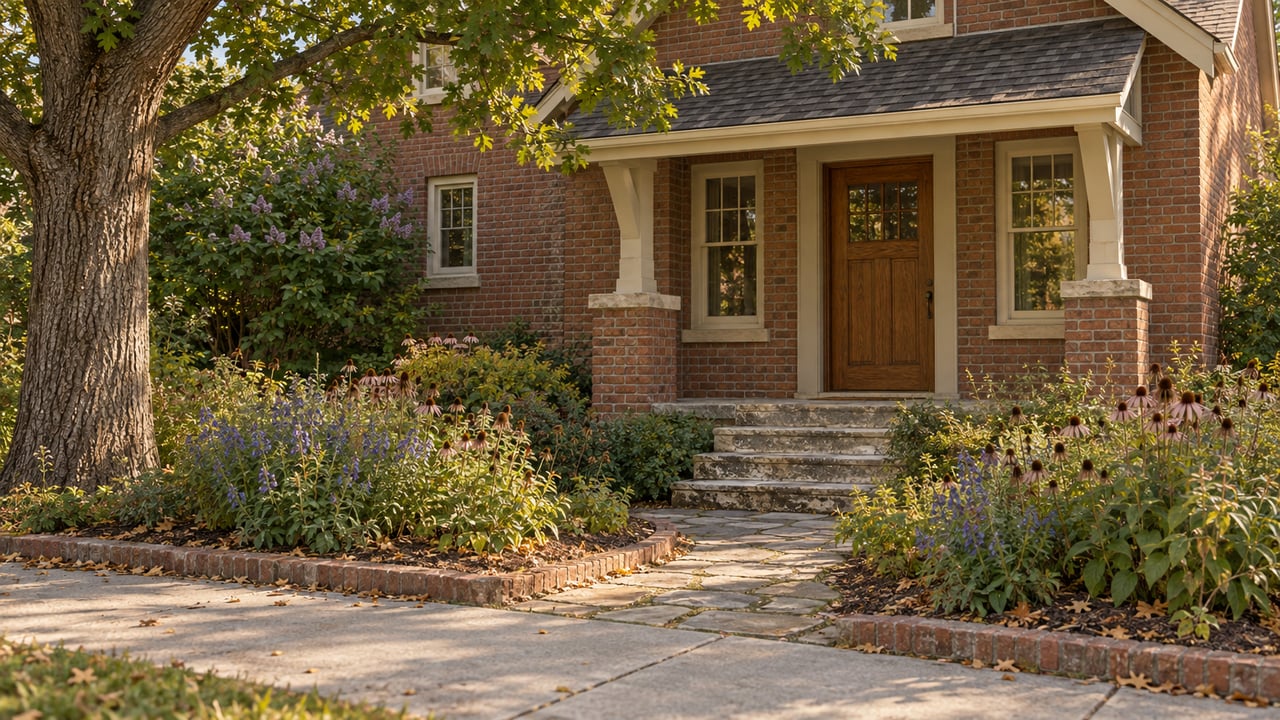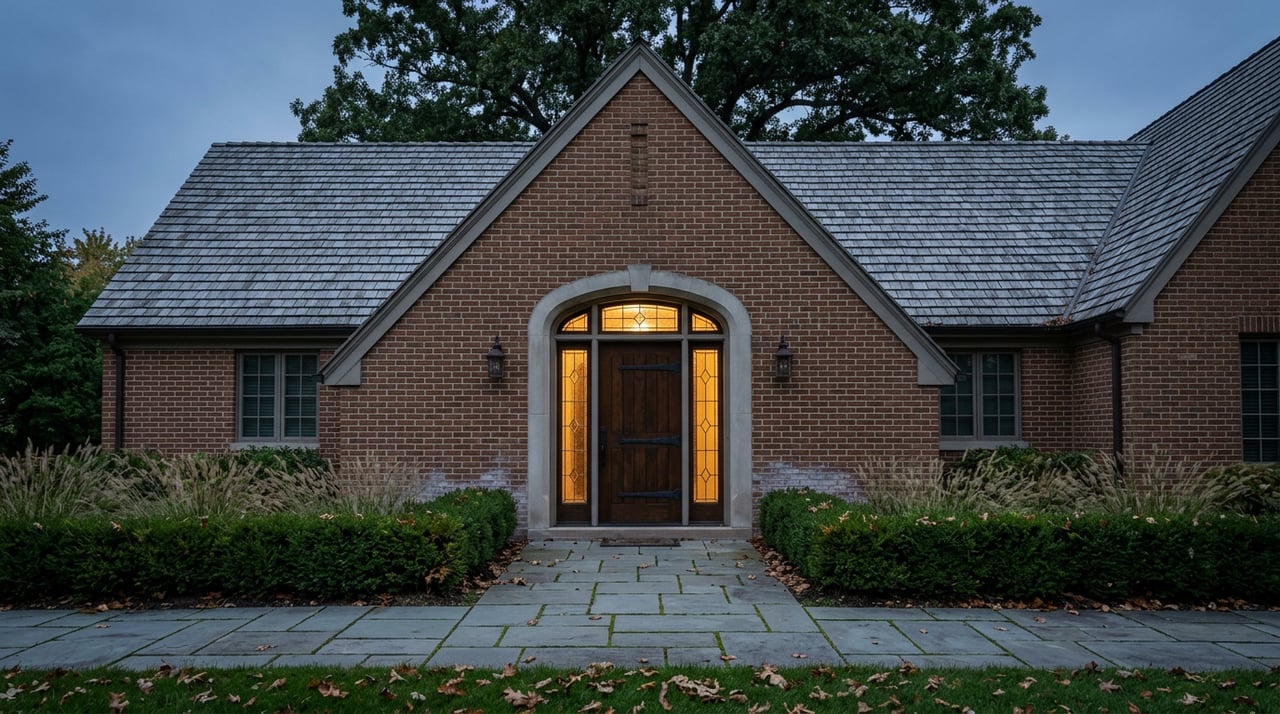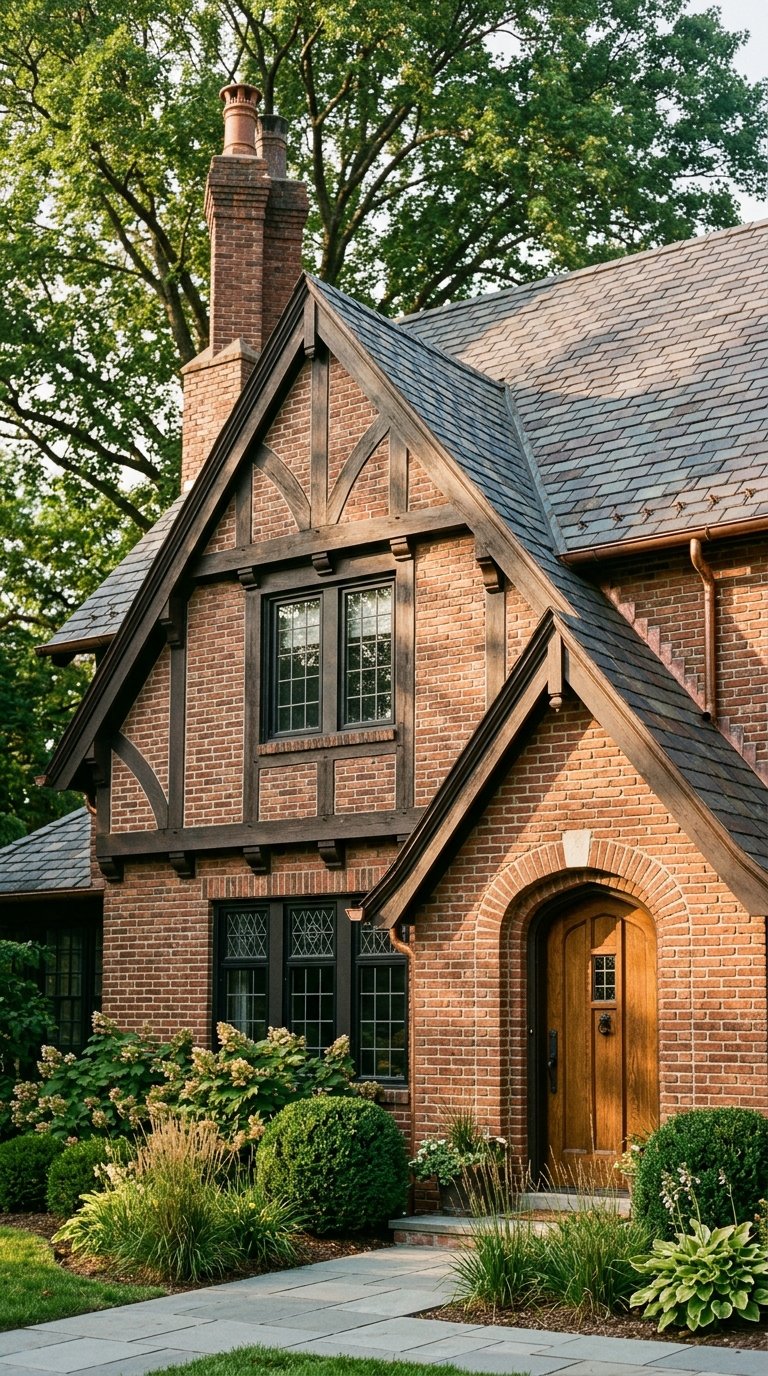
If you have ever driven through Hilltop and wondered why one block feels storybook, the next feels villa-like, and another looks distinctly modern, you are noticing one of the neighborhood’s biggest draws. Hilltop did not develop all at once, and that layered history still shows up in its streetscape today. For buyers, that means architecture is not just about curb appeal. It can shape maintenance, remodeling options, and even long-term value. Let’s dive in.
Why Hilltop Feels Architecturally Distinct
Hilltop’s character comes from gradual growth over time rather than a single wave of development. The Hilltop Neighborhood Association says the area was annexed into Denver in May 1893, and local historical accounts note that canal- and streetcar-era subdivision patterns helped create the neighborhood’s irregular blocks and varied housing mix.
Denver Public Library’s Hilltop StoryMap also points to outside events like the Silver Panic of 1893, the Great Depression, and the Korean War as forces that shaped how the neighborhood developed. That helps explain why Hilltop feels layered instead of uniform, with different eras and home types appearing from block to block.
Today, local sources describe Hilltop as a neighborhood with tree-lined streets, active parks, and a wide range of home styles and sizes. That combination is a big part of why buyers often see the area as having a strong sense of place.
The Architectural Styles Buyers Notice Most
Architecture is one of the clearest ways Hilltop stands apart in central Denver. While the neighborhood includes a mix of older homes, modern properties, and newer infill, a few styles tend to stand out right away.
Tudor Revival Homes
Tudor Revival homes are among the most recognizable in Hilltop. According to National Park Service material on Denver architecture, these homes often feature steeply pitched roofs, decorative half-timbering, masonry or stucco exteriors, tall narrow windows, and prominent chimneys.
For many buyers, Tudor homes offer a sense of craftsmanship and permanence. Their details can feel rich and memorable, especially on mature, tree-lined streets where the architecture has room to shine.
That said, those same features can come with maintenance needs. Rooflines, chimneys, masonry joints, and original wood elements may require more specialized attention than you might expect in a newer home.
Mediterranean Revival Homes
Mediterranean Revival is also part of Hilltop’s architectural mix. This style is generally associated with stucco walls, red clay or tile roofs, arched openings, and a more formal, villa-like shape.
For buyers, Mediterranean homes often stand out for their curb appeal and elegant street presence. The style can feel warm, refined, and visually striking, especially when original details are still intact.
From a practical standpoint, buyers should pay attention to stucco condition, tile roof upkeep, and exterior details like arches or decorative ironwork. Those features add charm, but they can also affect future maintenance planning.
Mid-Century Modern Homes
Hilltop also has a meaningful connection to Denver’s modernist period. Denver Public Library notes that architect Victor Hornbein designed many homes in the neighborhood, and National Park Service descriptions of modernist and mid-century design highlight long, low profiles along with steel, concrete, and generous use of glass.
These homes often appeal to buyers who want light, openness, and cleaner lines. Floor-to-ceiling windows and strong indoor-outdoor visual flow can make a mid-century home feel especially compelling.
The tradeoff is that some original design elements deserve close attention during due diligence. Flat or low-slope roofs, older windows, and renovation choices that affect original proportions can all influence future costs and design flexibility.
A Mix That Defines Hilltop
One of Hilltop’s strengths is that it is not defined by a single style. Local sources describe the neighborhood as a blend of older houses, modern homes, and newer infill, which gives the area visual variety and a more dynamic streetscape.
For buyers, that means two things. First, you have more design options than you might in a more uniform neighborhood. Second, understanding how a specific home fits into its block matters, especially if you plan to renovate later.
Why Architecture Matters Beyond Looks
In Hilltop, architecture affects more than first impressions. It can influence how a house ages, what repairs may be needed, and how easily you can make changes over time.
A home with original masonry, stucco, wood trim, or historic-style windows may come with details that are beautiful but more involved to maintain. A more modern property may offer cleaner lines and openness but still present costs tied to roof design or older glazing systems.
This is one reason buyers should think about architecture as part of the home’s overall ownership picture. The style you love should also be a style you feel comfortable caring for.
Renovation Rules Buyers Should Know
If you are thinking about buying in Hilltop with plans to remodel, local zoning matters. Denver’s zoning code establishes the Hilltop Heritage Conservation Overlay District, known as CO-1, and the city explains that conservation overlays can add restrictions related to building form, materials, and architectural style.
That does not mean you cannot improve a property. It does mean your plans may need to align with rules designed to preserve the neighborhood’s scale and character.
Check Overlay And Landmark Status Early
Before you assume you can add on, rework the exterior, or substantially change a facade, verify whether the property is in the CO-1 overlay or has any additional landmark or historic-district status. Denver states that exterior work on locally designated landmarks or properties in historic districts is subject to design review.
For buyers, timing matters here. It is much easier to understand these constraints before you purchase than after you begin sketching renovation ideas.
Character Protection Can Affect Flexibility
Denver’s conservation-overlay materials make clear that these tools are intended to retain and enhance neighborhood character. In Hilltop, that can include limits on lot subdivision and standards that help preserve the scale of the block.
For some buyers, that is a major plus because it supports visual continuity and neighborhood identity. For others, especially buyers focused on major expansion, it may narrow what is possible on a given parcel.
Hilltop Due Diligence Is Especially Important
Hilltop has one more practical wrinkle buyers should know about. Denver officials have discussed the neighborhood’s “phantom alleys” and “creeping property lines,” referring to alley corridors that were platted but never built or were later absorbed into backyards.
That means you should not assume a fence line tells the full story. If expansion potential, lot use, easements, or legal lot size matter to you, survey and title review are especially important in this neighborhood.
A Smart Buyer Checklist
When you are evaluating a Hilltop home, it helps to go beyond finishes and floor plans. A thoughtful review should include both the home’s style and the rules or physical conditions that come with it.
Consider focusing on these items:
- Confirm whether the property is in the Hilltop Heritage Conservation Overlay District
- Check for any additional landmark or historic-district status
- Review roof condition, especially on steep, tiled, flat, or low-slope roofs
- Inspect windows for condition, performance, and likely replacement needs
- Look closely at masonry, stucco, chimneys, and wood trim
- Verify survey lines, alley rights, and any easements before assuming room to expand
Why This Matters To Buyers
Hilltop’s architectural appeal comes from continuity. Mature streets, distinctive home forms, and a neighborhood identity that residents and the city have tried to preserve all contribute to the experience of living there.
Denver’s conservation-overlay materials frame that kind of character as something worth retaining and enhancing. For buyers, that helps explain why architecture in Hilltop often feels like more than decoration. It is part of what gives the neighborhood its staying power and sense of authenticity.
Homes with intact original details or thoughtful, compatible updates can be especially compelling in a setting like this. That does not guarantee a premium on its own, but it does help explain why architecture-sensitive buyers often respond strongly to homes that feel true to their era and block.
If you are considering Hilltop, it helps to look past the headline style and ask a deeper question: how does this home’s architecture affect upkeep, future plans, and fit for your lifestyle? That is often where the smartest buying decisions begin.
If you want help evaluating a Hilltop property with both design and practicality in mind, Molly Weiss offers thoughtful, concierge-level guidance rooted in deep Denver market knowledge.
FAQs
What architectural styles are common in Hilltop, Denver?
- Hilltop is known for a mix of styles, including Tudor Revival, Mediterranean Revival, mid-century modern homes, older houses from multiple periods, and newer infill properties.
Why does architecture matter when buying a home in Hilltop?
- In Hilltop, architecture can affect curb appeal, maintenance costs, renovation options, and how well a home fits the neighborhood’s preserved character.
What is the Hilltop Heritage Conservation Overlay District?
- It is a Denver zoning overlay, called CO-1, that can add restrictions related to building form, materials, architectural style, and lot subdivision in order to help preserve neighborhood character.
How can renovation rules affect Hilltop homebuyers?
- Depending on a property’s status, exterior changes may be limited or subject to design review, so buyers should verify overlay, landmark, or historic-district status before making renovation plans.
What are Hilltop’s phantom alleys and creeping property lines?
- Denver officials have noted that some alley corridors in Hilltop were platted but never built or were later absorbed into backyards, which is why survey and title review are important when lot size or expansion potential matters.
What should buyers inspect closely in older Hilltop homes?
- Buyers should pay close attention to roof condition, windows, masonry, stucco, chimneys, wood trim, survey lines, alley rights, and any zoning or design-review constraints tied to the property.