Are you ready to simplify without feeling like you are giving something up? For many Denver homeowners, downsizing is not about shrinking your life. It is about choosing a home that fits the way you live now. If Bonnie Brae and Belcaro are on your radar, you are likely looking for a balance of comfort, style, and an easier day-to-day rhythm. This guide will help you compare the two neighborhoods, think through the real tradeoffs, and make a more confident next move. Let’s dive in.
Why Bonnie Brae and Belcaro work
If you want to stay in Denver but reduce the scale of your home, Bonnie Brae and Belcaro both deserve a close look. These are established neighborhoods with strong identities, mature streetscapes, and a city location that can appeal to homeowners leaving behind larger suburban or estate properties.
They also offer different versions of downsizing. Bonnie Brae often suits buyers who want a more social, village-like setting with a compact neighborhood feel. Belcaro tends to fit those who want to keep more privacy, larger lots, and a more estate-like presence while still trimming maintenance and land.
Bonnie Brae: a more connected lifestyle
Bonnie Brae is a compact neighborhood of roughly 650 homes. It was developed starting in the 1920s, remained partly undeveloped into the 1940s, and was fully built out by 1956. Its curved streets were intentionally planned to create the feel of a peaceful Scottish village, which still shapes the neighborhood’s character today.
For a downsizer, one of Bonnie Brae’s biggest draws is how daily life can feel more connected. Bonnie Brae Park and the South University commercial strip act as the neighborhood’s center of gravity. Long-running businesses along South University and the Eugene Field Branch Library help support a genuine neighborhood-center feel.
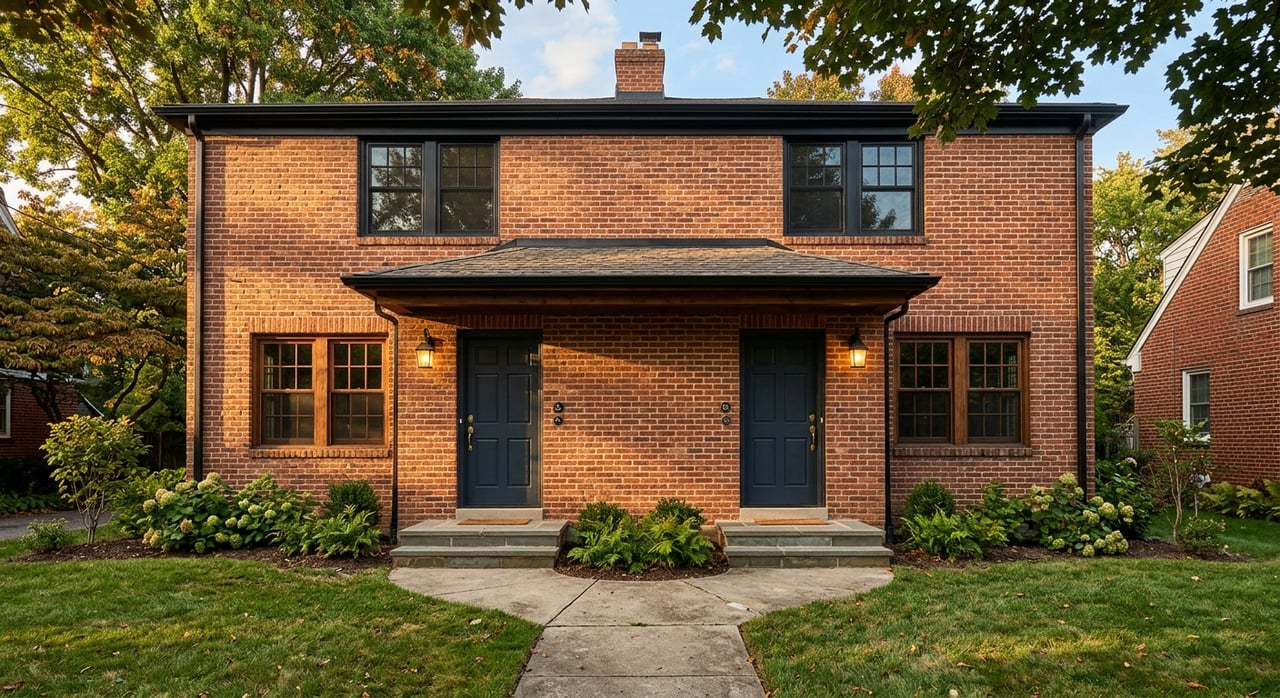
The home styles are also varied. According to the neighborhood association, you will find Tudors, Spanish, Bauhaus, International, ranch houses, later additions, pop-tops, and replacement homes. That mix can be appealing if you want options that range from classic character to newer construction.
What lot sizes may feel like
Recent public listings suggest Bonnie Brae lot sizes often range from about 5,250 to 9,200 square feet, or roughly 0.12 to 0.21 acres. Some larger examples reach around 0.32 acres. In practical terms, that often means you can still have outdoor space without taking on the full burden of a larger estate lot.
If you are coming from a home with significant grounds, Bonnie Brae may feel like a more decisive lifestyle shift. That can be a positive if your goal is less upkeep, less wasted space, and a stronger connection to nearby amenities.
Belcaro: more space with less excess
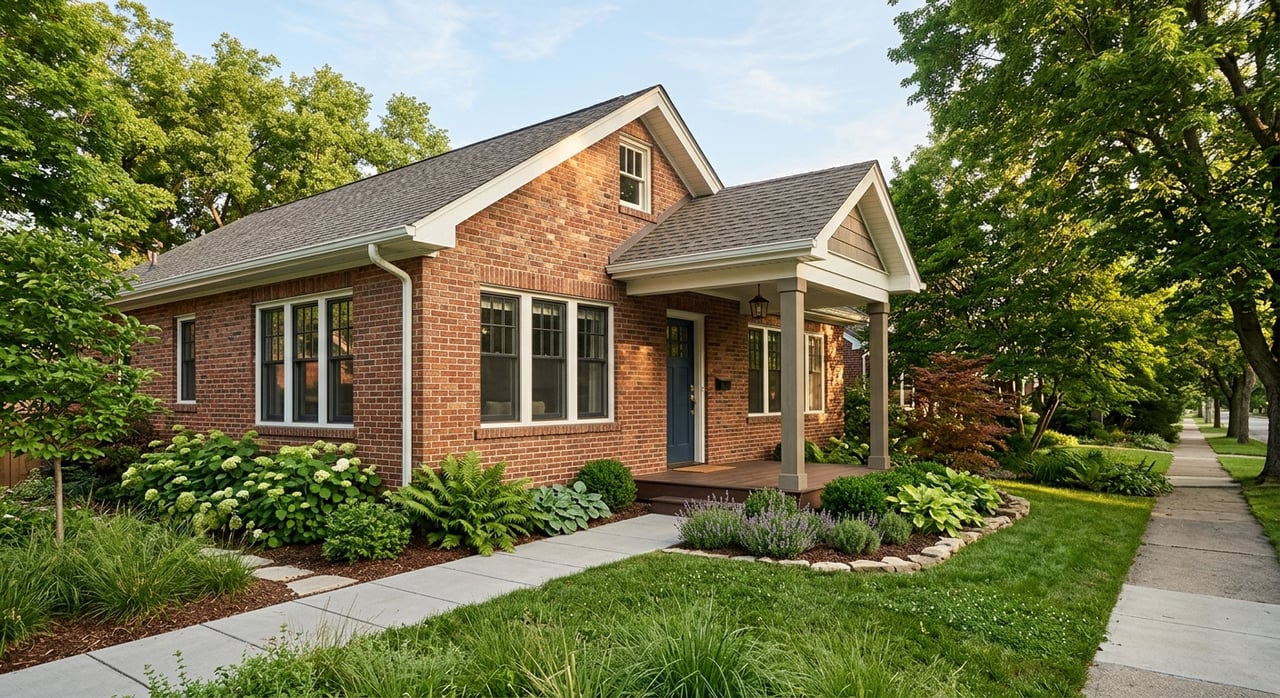
Belcaro offers a different kind of downsizing move. Belcaro Park was created in the 1940s and expanded in the 1950s. The neighborhood is known for tall tree canopy, large lots, expansive front yards, and generous setbacks, which give it a park-like, residential feel.
For homeowners who are not ready to make a dramatic jump to smaller urban lots, Belcaro can feel like the gentler transition. It still keeps you in the city, but it often preserves more breathing room around the home. That can matter if privacy, mature landscaping, and a sense of separation are high on your list.
Recent listings in Belcaro show parcels around 0.28, 0.50, 0.52, 0.53, and 0.60 acres. That supports the idea that Belcaro is the more estate-scale option of the two neighborhoods, even while offering a smaller overall footprint than many suburban luxury properties.
How daily living differs in Belcaro
Belcaro is more residential and destination-oriented than Bonnie Brae. Instead of an internal main street feel, the neighborhood often leans on nearby Cherry Creek for retail, dining, and trail access. Denver planning materials also show active work around mobility, pedestrian safety, and corridor character in the nearby Cherry Creek area.
That difference matters when you picture your next chapter. If you want more activity close at hand, Bonnie Brae may feel easier. If you prefer a quieter residential setting and do not mind heading out for shopping or dining, Belcaro may feel more natural.
Bonnie Brae vs. Belcaro
Here is the simplest way to think about the choice:
| Factor | Bonnie Brae | Belcaro |
|---|---|---|
| Overall feel | Village-like and connected | Private and park-like |
| Typical lot pattern | Smaller urban lots, often still generous | Larger city lots with estate character |
| Home styles | Eclectic mix of older homes and rebuilds | Established homes with more expansive sites |
| Daily amenities | Stronger neighborhood-center feel | More dependent on nearby Cherry Creek |
| Downsizing style | Bigger reduction in space and upkeep | Softer transition from larger properties |
Neither option is better across the board. The better fit depends on what you want to keep and what you are ready to leave behind.
The three questions that matter most
When downsizing, square footage alone rarely tells the whole story. The better decision usually comes down to how the home functions, how much work the property requires, and how your finances look after the move.
1. How efficient is the floor plan?
A smaller home can live better than a larger one if the layout fits your routine. Think about where you spend most of your time and whether you still need formal rooms, extra guest space, or secondary living areas. In Bonnie Brae and Belcaro, the range of home ages and renovation levels means layout differences can be significant.
Look beyond total size and focus on daily ease. A well-planned home with the right main-level spaces may serve you better than a larger property with rooms you rarely use.
2. How much yard and maintenance do you want?
This is often the real heart of downsizing. If your current home comes with substantial grounds, mature landscaping, and ongoing upkeep, your next move may be less about the house and more about reclaiming time and energy.
Bonnie Brae often aligns with buyers who are ready for a more noticeable reduction in yard work. Belcaro may appeal if you still want a landscaped setting and more outdoor presence, just with less land and less complexity than a larger estate property.
3. What is your net spendable equity?
The lifestyle side of downsizing matters, but the financial side matters just as much. What you can comfortably buy next depends on your net proceeds after the sale of your current home. That means looking at more than the headline sale price.
According to IRS Publication 523, eligible homeowners may be able to exclude up to $250,000 of gain from the sale of a main home, or up to $500,000 for married couples filing jointly, if ownership and use tests are met. The IRS also states that losses on the sale of personal-use property such as a main home are generally not deductible. On the purchase side, closing costs are part of the upfront costs tied to getting a loan and transferring ownership.
In plain terms, the number that matters most is not what you sell for. It is what you actually have available after taxes, closing costs, brokerage costs, and moving expenses.
A practical downsizing approach
If you are deciding between Bonnie Brae and Belcaro, it helps to move through the process in a clear order.
Start with your ideal daily routine
Picture a normal Tuesday, not a holiday weekend. Do you want a quicker walk or short drive to neighborhood staples? Do you want quieter streets, more separation from neighbors, and a larger yard view from your windows?
Your answer will usually point you toward one neighborhood faster than any spreadsheet can.
Define your non-negotiables
Make a short list of what your next home must have. For example:
- Main-level primary suite or easy main-level living
- Limited yard maintenance
- Space for frequent guests
- Newer construction or updated systems
- A stronger lock-and-leave feel
- Room for hobbies, office space, or entertaining
This keeps you from being distracted by homes that look beautiful but do not actually support the life you want next.
Run the numbers before you shop seriously
Before you fall in love with a property, understand your likely sale proceeds and buying power. Downsizers often have substantial equity, but that does not always translate neatly into a purchase budget once all transaction costs are accounted for.
A clear financial picture gives you more confidence and helps you compare Bonnie Brae and Belcaro with realistic expectations.
What kind of downsizer fits each neighborhood?
Bonnie Brae often makes sense if you want to trade more land for convenience, character, and a neighborhood-center feel. It can be a smart fit if you are ready for a sharper reduction in maintenance and want a setting that feels more socially connected.
Belcaro often fits buyers who still want a gracious residential setting with mature landscaping and larger lots. If you are coming from a larger estate area and want to step down more gradually, Belcaro may feel more familiar while still simplifying ownership.
In both neighborhoods, success comes from matching the home to your next stage of life, not your last one. The best downsizing move is the one that gives you more ease, more freedom, and a home that feels right-sized from day one.
If you are weighing a sale and purchase at the same time, working with someone who understands both neighborhood nuance and the financial side of the transition can make the process far smoother. If you want a tailored plan for downsizing into Bonnie Brae or Belcaro, connect with Molly Weiss for thoughtful guidance and concierge-level support.
FAQs
What makes Bonnie Brae a good downsizing neighborhood in Denver?
- Bonnie Brae can appeal to downsizers who want a smaller-scale, village-like setting, varied architecture, and a stronger neighborhood-center feel near Bonnie Brae Park and South University amenities.
What makes Belcaro a good downsizing neighborhood in Denver?
- Belcaro can suit downsizers who want to stay in the city while keeping more privacy, mature landscaping, larger lots, and a more estate-like residential setting.
How do lot sizes compare in Bonnie Brae and Belcaro?
- Recent public listings suggest Bonnie Brae lots often range from about 5,250 to 9,200 square feet, with some larger examples around 0.32 acres, while Belcaro listings commonly show parcels around 0.28 to 0.60 acres.
Is Bonnie Brae or Belcaro more walkable for daily errands?
- Bonnie Brae generally has the clearer walkable daily-life pattern because of its South University businesses, library, and neighborhood-center feel, while Belcaro tends to rely more on nearby Cherry Creek destinations.
What financial factors matter most when downsizing into Bonnie Brae or Belcaro?
- The key number is usually your net spendable equity after taxes, closing costs, brokerage costs, and moving expenses, since that determines how much flexibility you have for your next purchase.