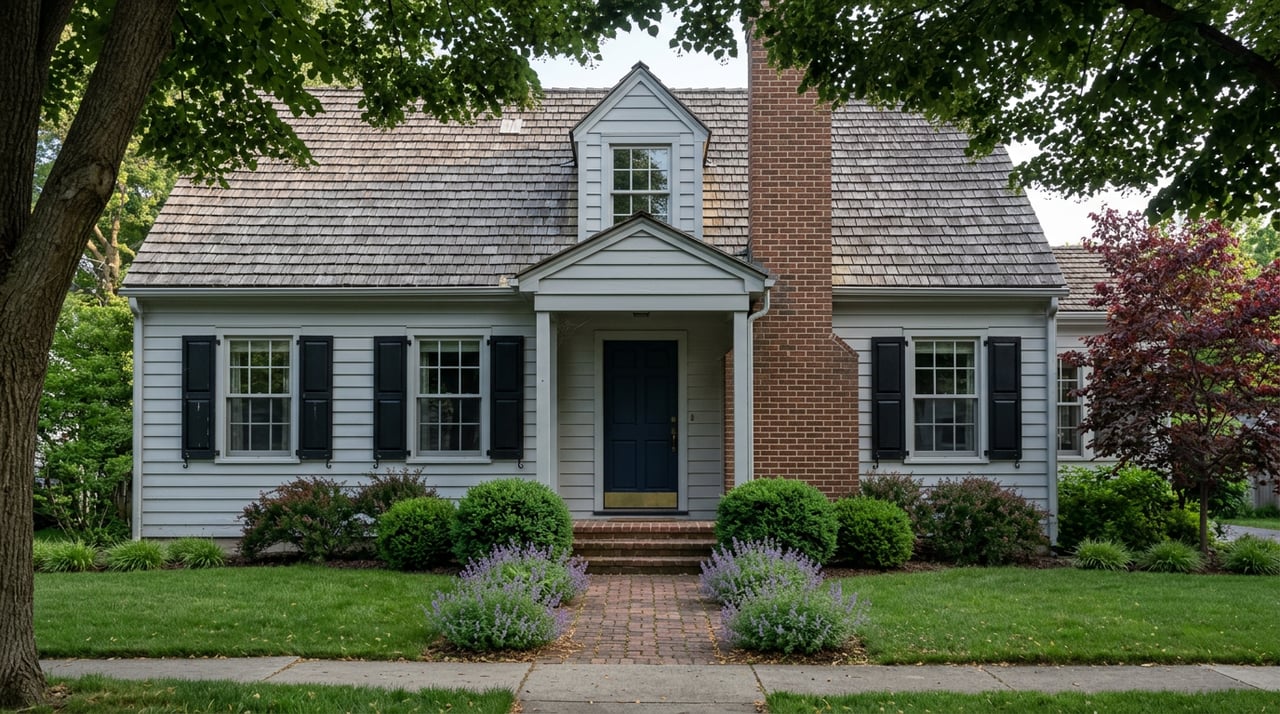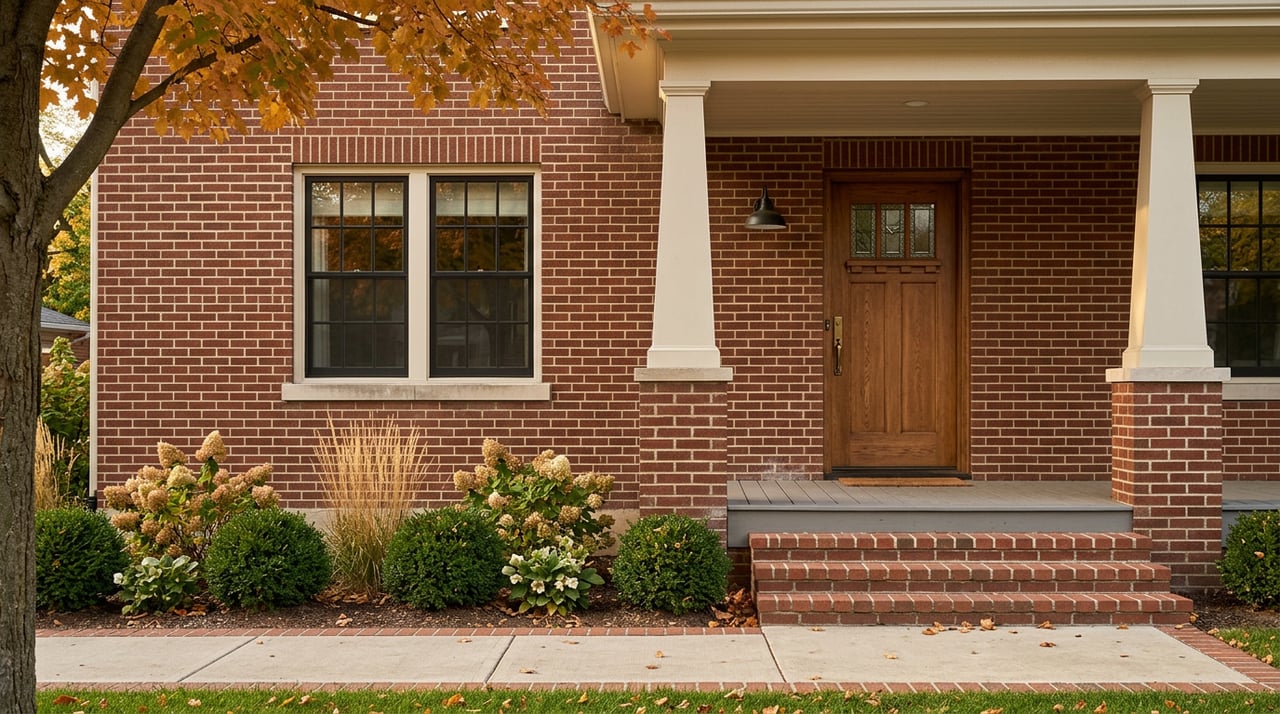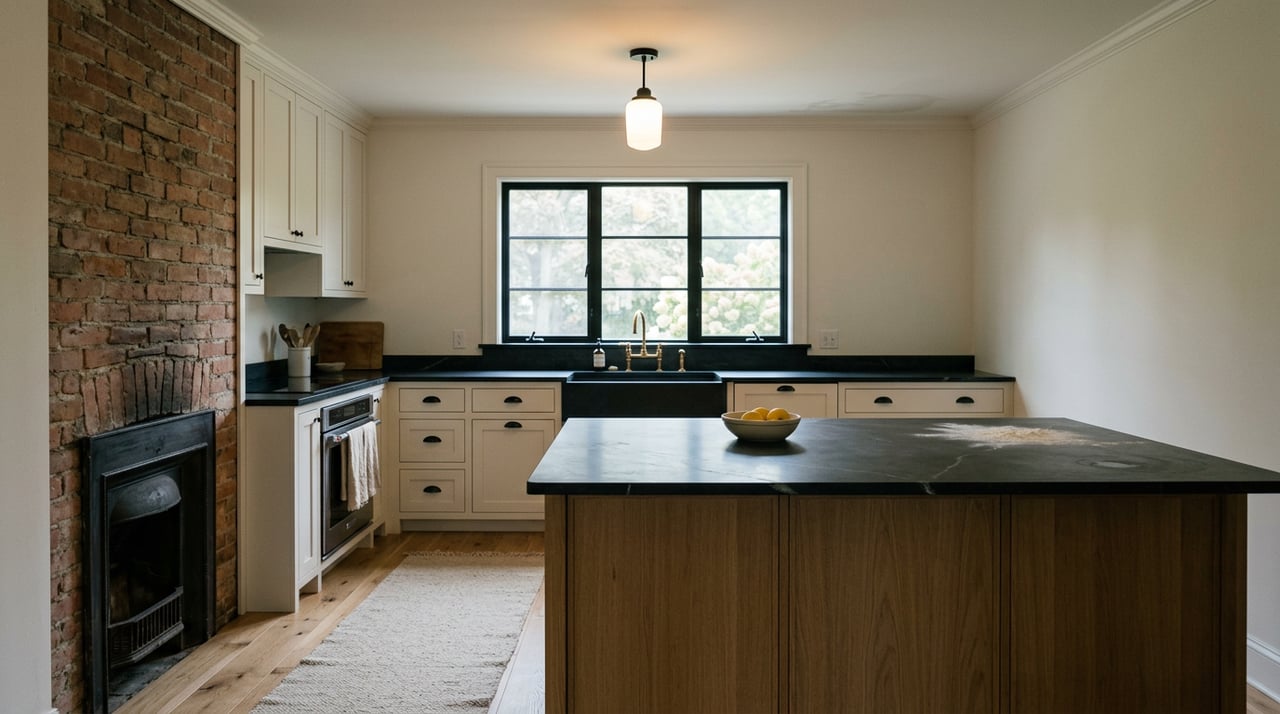
A bungalow near Washington Park went on the market in July 2026, sat for three weeks, then dropped $100,000 to $1.7 million. On paper that reads like a soft market correcting itself. It might be something else entirely. In that same stretch of listings, buyers this year have paid $1.3 million to $1.5 million for bungalows that nobody plans to live in as bungalows. The house comes down. What the buyer actually purchased was the lot underneath it, priced to support a new build that can run past 5,500 finished square feet.
That distinction matters more than it sounds like it should, because both of those transactions get logged the same way in the public record. A land sale and a livable-home sale show up on the same list, at similar prices, in the same six-block radius. If you're comparing what your money buys against the median price you saw on a national portal, you're comparing yourself to a number that doesn't distinguish between the two.
Two Prices That Look Identical and Aren't
Washington Park East's housing stock is almost entirely pre-war, built between 1900 and 1940, which means nearly every listing you'll tour is either an original structure, a renovated one, or a structure someone else has already priced for removal. Those are three different products wearing the same square-footage number on the listing sheet.
Our own tracking of Washington Park East, current as of this summer, shows the average sales price moving from $1,485,221 to $1,500,184 over the trailing six months, with the average price per square foot up about 10 percent in that same window. Homes here are also selling at close to full ask, averaging around 37 days on market. Read as a single trend line, that looks like steady, broad-based appreciation. Read block by block, it looks more like three separate markets that happen to share a zip code.
Local reporting on the broader Wash Park submarket in July 2026 found roughly 45 homes listed heading into the new school year, a notable jump in supply for an area that typically holds tight inventory. Some of what's driving that number is ordinary turnover. Some of it is landowners testing whether their lot is worth more empty than occupied.
The Three Tiers Hiding Inside One Median
Here's roughly how the broader Wash Park submarket, which spans both sides of the park, broke down by what a buyer was actually paying for as of spring 2026:
| Tier | Typical price | What you're buying |
|---|---|---|
| Entry-level, eastern and southern edges | $850,000 to $950,000 | Smaller original bungalows, often needing cosmetic or systems work, away from the park |
| Mid-tier, interior blocks | $1.1 million to $1.4 million | A mix of updated and original homes, moderate lot sizes, some competition from teardown buyers |
| Premium, park-perimeter streets | $1.6 million to $2.5 million | Fully renovated homes or larger Tudor revivals on streets closest to the park itself, including East Virginia Avenue, South Franklin Street, and South Humboldt Street on the park's east flank |
| Land-value sales | $1.3 million to $1.5 million | The lot, not the house. Structure has little to no value and is typically scraped |
Notice that the land-value tier overlaps almost exactly with the mid-tier range. That's the trap. A buyer scanning listings in the $1.3 million to $1.5 million band might be looking at a lovingly kept original home priced to reflect its actual livability, or a structurally similar home priced to reflect what a builder would pay for the dirt. The listing photos won't always tell you which one you're looking at. The comps your lender's appraiser pulls might not either, because appraisal software doesn't automatically separate land sales from lived-in sales unless someone flags it.
This is also why price-per-square-foot figures for the broader submarket, which have clustered in the low $500s to high $500s through 2026, are close to meaningless as a standalone benchmark. A dollar-per-square-foot number calculated from a teardown sale is measuring the value of dirt divided by a house that's about to disappear. Applied to a fully renovated home two doors down, it tells you almost nothing.
Why the Comps Keep Getting Reset
Every time a land-value sale closes, it becomes a comp. Appraisers and agents pulling recent sales for a nearby original bungalow now have that number sitting in the pool, and it tends to pull the floor up, whether or not the home being appraised has any redevelopment potential of its own. A seller with an unrenovated but well-maintained home can end up benefiting from a comp that assumes someone will tear the place down, even if their actual buyer wants the opposite. A buyer can end up paying a premium calculated for a scrape candidate on a house they intend to keep exactly as it is.
This isn't a flaw in any one listing. It's what happens when a neighborhood has enough redevelopment pressure that land value and structure value start moving independently, and the sale price stops being a clean signal of either one on its own.
The Zoning Question That Could Change the Math
As of this spring, Denver has had a proposal working through the planning process that would put floor-area limits on new single-family construction citywide in single- and two-unit zone districts, the same districts that cover most of Washington Park East. The stated goal is to slow the pattern where a modest starter home gets purchased and replaced by a home worth several times more, which is the exact mechanism behind the land-value sales happening in this neighborhood right now. The same proposal would make it easier to add a second unit, such as a duplex, on lots that currently only allow one home.
City planners involved in the process have pointed to the trend directly: speculative buyers purchasing a moderately priced bungalow with the intent to replace it with a much larger, much more expensive single home, at real cost to the neighborhood's supply of smaller, more attainable houses. A local builder quoted in coverage of the proposal noted that on some blocks, close to all of the original bungalows are already gone, replaced by new duplexes now selling in the $1.2 million to $1.4 million range per side, which raises its own question about whether that density has actually made anything more affordable.
If floor-area caps pass, the profitability of buying a bungalow purely for its lot changes. A buyer purchasing today with a multi-year hold in mind should treat this as a live variable, not background noise. It could affect what your own lot is worth to a future buyer with redevelopment plans, in either direction.
What This Means If You're Touring Listings This Fall
Ask your agent, before you tour, whether recent comps for a specific listing include any land-value sales, and whether the listing itself has permit history suggesting a planned teardown. County property records will show lot size against total finished square footage, which is a fast way to spot a structure that's already been priced down to land value. If a home is listed well below what a renovated comparable nearby sold for, and it sits on a lot large enough to support new construction, that gap is usually the tell.
None of this means the neighborhood is a bad place to buy. It means the headline number on a listing here is doing double duty, describing both a home you could move into this year and a lot someone else might be pricing for a home that doesn't exist yet. Knowing which one you're looking at before you write an offer is the difference between paying for a house and paying for someone else's construction project.
A Few Questions Worth Asking Before You Tour
Does a lower price per square foot always mean a better deal here? Not on its own. A low per-square-foot number can mean an underpriced original home, or it can mean the structure has little value and the price reflects the lot. Check lot size against livable square footage before assuming either.
Will Denver's proposed zoning changes affect homes already for sale? Not directly for a sale closing today, but they matter for anyone planning to hold the property for several years, since they would change what a future buyer might pay for redevelopment potential on that same lot.
How do I find out if a comp used in an appraisal was a land-value sale rather than a livable-home sale? Ask your agent to pull the sale history and permit filings for any comp in question. A demolition permit filed shortly after closing is the clearest signal.
If you're weighing Washington Park East against another central Denver neighborhood, or trying to figure out what a specific listing here is actually pricing, that's the kind of read Molly Weiss does block by block, not from a national average. You can start with a look at current Washington Park East listings and trends, run your own numbers through the buyer's guide, or reach out directly. Let's Connect.