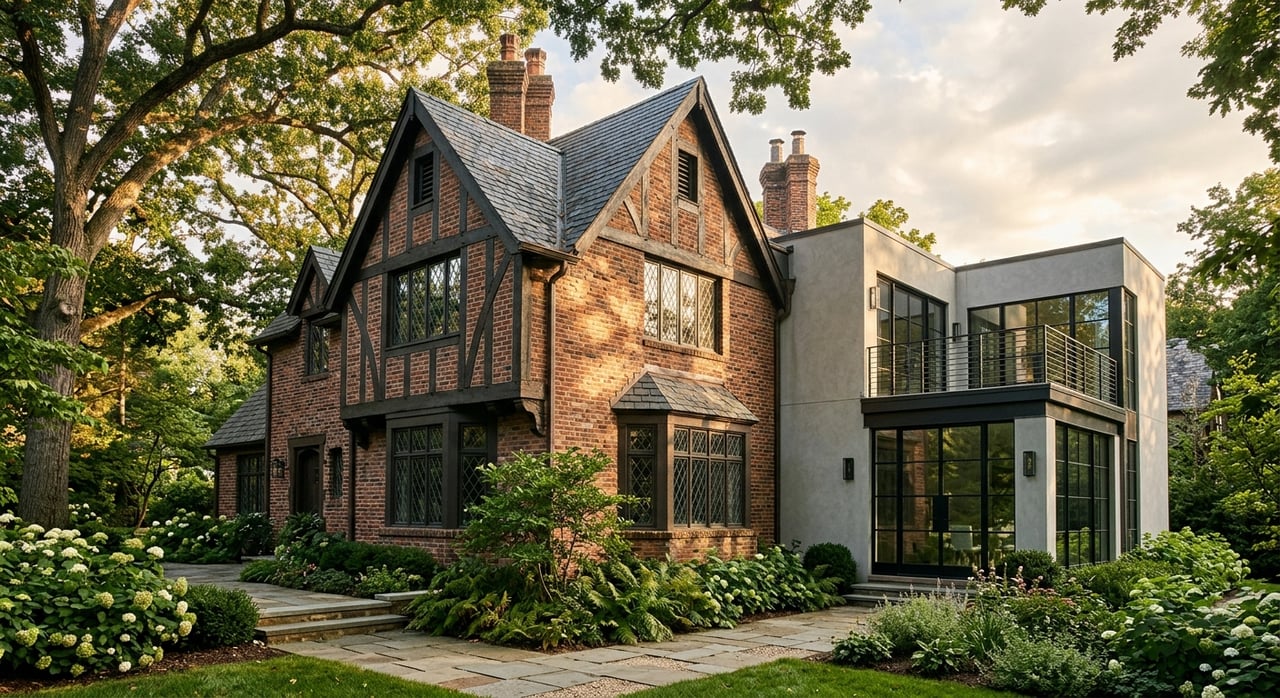
If you are drawn to neighborhoods that feel established the moment you arrive, Hilltop tends to stand out. Its tree-lined streets, layered architecture, and park-centered layout create a pace that feels calm without feeling cut off from the rest of Denver. If you are exploring where to live or simply trying to understand what makes this area distinct, this guide will walk you through Hilltop’s setting, design character, and day-to-day rhythm. Let’s dive in.
Why Hilltop Feels Distinct
Hilltop is a long-established Denver neighborhood bounded by Colorado Boulevard, Alameda Avenue, Holly Street, and 8th Avenue. It grew from two subdivisions and was annexed into Denver in May 1893, with early development shaped in part by the City Lateral Canal and nearby streetcar lines.
That history still shows up in the neighborhood today. The unusual street jogs, broad residential feel, and mature streetscape give Hilltop a form that feels different from more uniform parts of the city.
The Hilltop Neighborhood Association describes the area as tree-lined, park-rich, and largely residential. That description fits the experience on the ground, where the neighborhood reads more as a place for homes, parks, and daily routines than as a destination built around major commercial activity.
Hilltop Architecture Has Layers
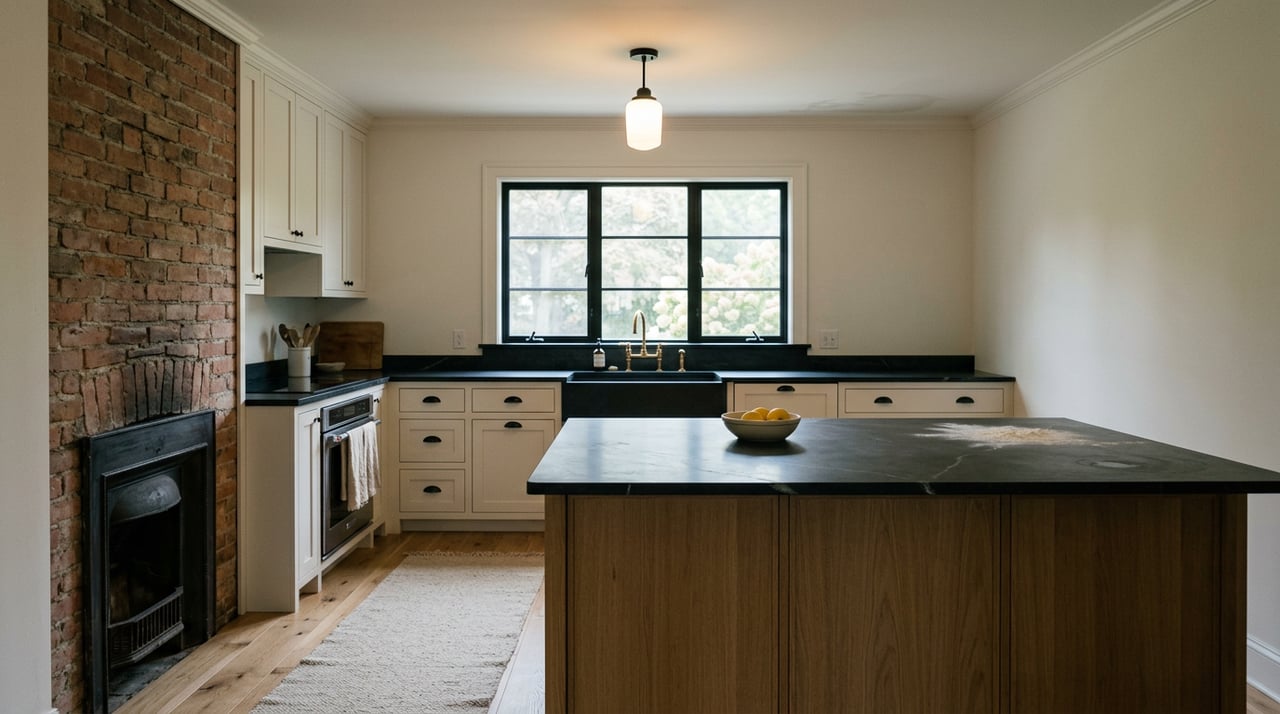
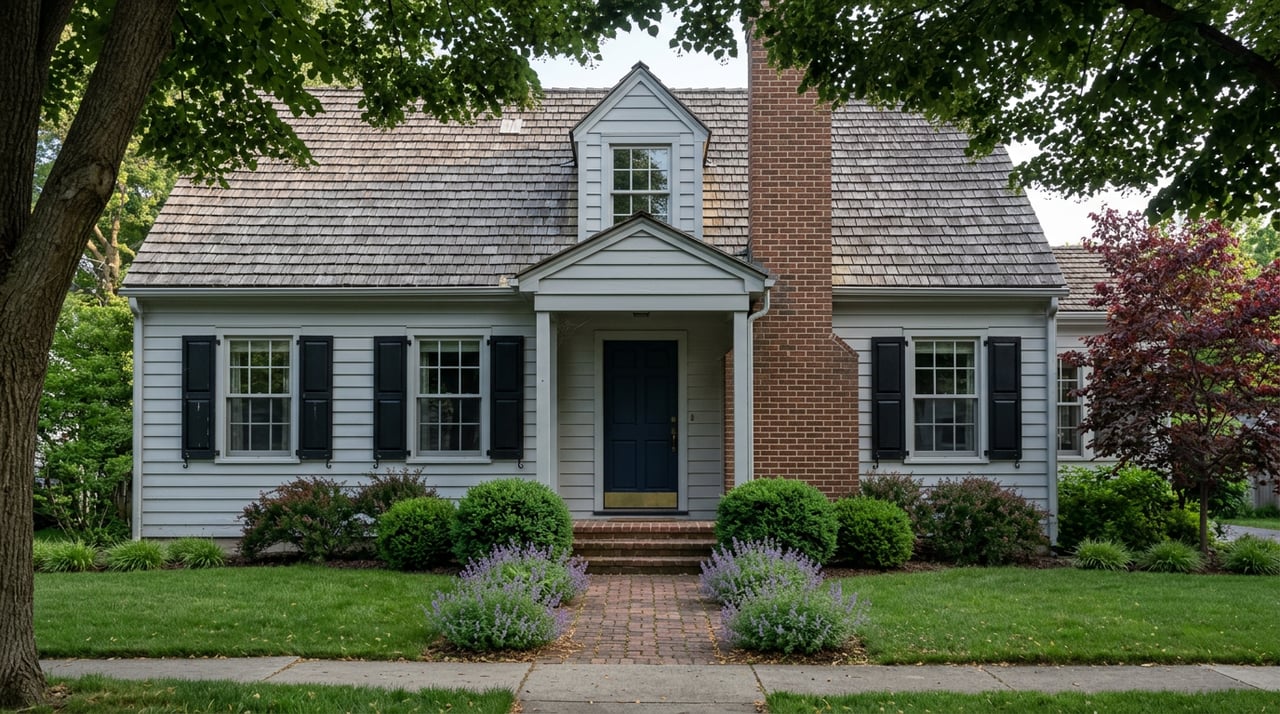
Hilltop is not defined by a single architectural style. Instead, it has a mixed built environment where older homes, later additions, and notable modernist work all exist within the same residential framework.
Denver Public Library’s Hilltop history materials point to a neighborhood where some elements have changed while others have remained consistent over time. That mix is part of what makes Hilltop visually interesting. You can see continuity in the street pattern and lot arrangement, while the homes themselves reflect more than one era of design.
Historic Homes and Modernist Influence
Architect Victor Hornbein designed many homes in Hilltop and worked in a modernist style. The neighborhood is also home to the 1938 Nordlund House, highlighted by the Denver Architecture Foundation for Eugene Groves’ experimental concrete residential work.
Together, those examples show that Hilltop includes more than classic older houses. It also carries a meaningful strand of architectural experimentation, which adds depth to the neighborhood’s identity.
Why the Streetscape Feels Cohesive
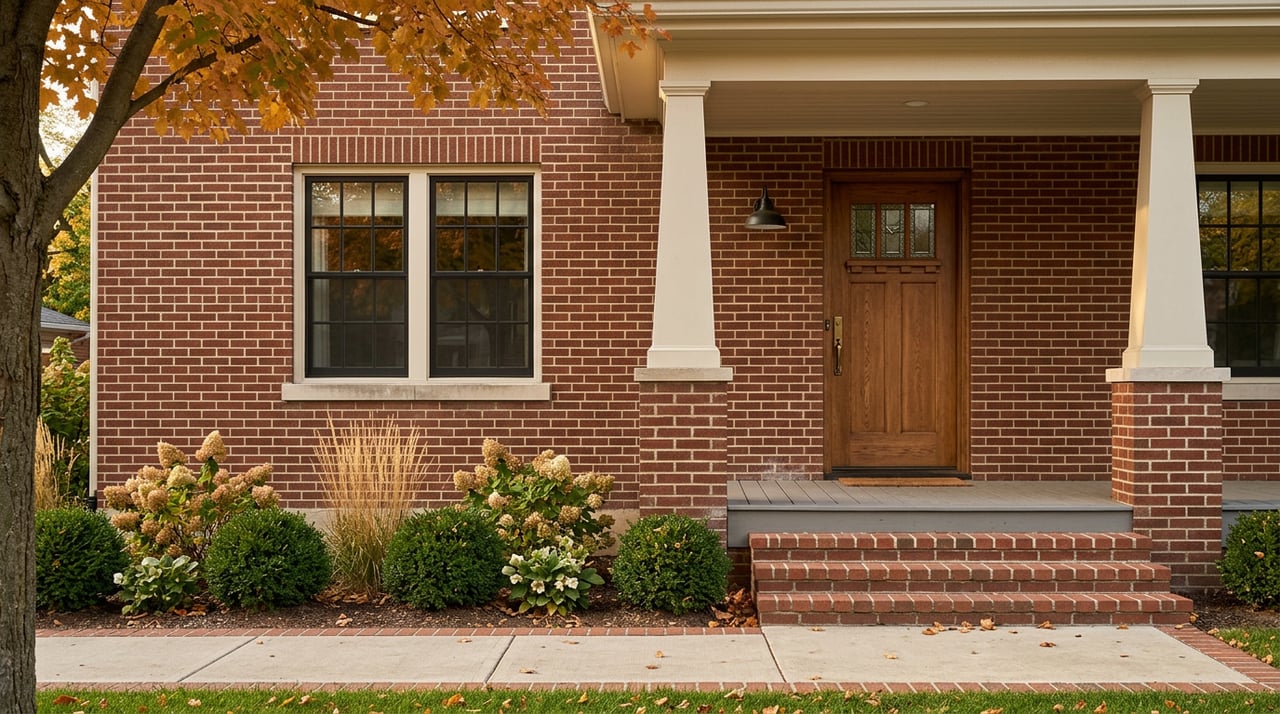
Part of Hilltop’s appeal comes from how homes relate to the street. A community history review of the Hilltop overlay district notes that residents valued features like front porches, rear garages, and alleys because they supported casual interaction.
Those design choices affect how a neighborhood feels in everyday life. Front porches bring more activity toward the street, while rear garages and alleys reduce the visual dominance of driveways and help preserve a more traditional residential pattern.
How Hilltop Protects Its Character
Hilltop’s established feel is not accidental. Denver’s zoning code identifies the Hilltop Heritage Conservation Overlay District, and the city states that no zoning permit for development or use in that district may be issued unless the work meets district standards.
Denver’s design-review guidance also notes that exterior alterations, additions, new construction, and related site work are reviewed within designated historic districts and landmark areas. For you as a buyer or homeowner, that means changes in certain parts of Hilltop are shaped by formal standards rather than left entirely to chance.
What the Overlay Means in Practice
The overlay helps explain why Hilltop often feels visually consistent even as homes evolve over time. A community history review notes that concern about lot-splitting and replacement homes helped spur the overlay district.
In practical terms, this supports a neighborhood character that many people notice right away. The result is a built environment that can adapt while still protecting the established qualities residents value.
Parks Shape Daily Life in Hilltop
If architecture gives Hilltop its visual identity, parks give it much of its daily rhythm. Open space is not a side feature here. It is central to how the neighborhood looks, feels, and functions.
The Hilltop Neighborhood Association highlights Cranmer Park, Robinson Park, Burns Park, and the 6th Avenue Parkway. That range of public spaces helps explain why the neighborhood feels so outdoor-oriented from block to block.
Cranmer Park Is the Signature Landmark
Cranmer Park is the open space most closely associated with Hilltop. The neighborhood association places it off Colorado Boulevard between East 1st and East 3rd Avenue and describes its sundial terrace as a spot with panoramic views of the Rocky Mountains and the city skyline.
That overlook is one of the neighborhood’s most recognizable public places. It gives Hilltop a civic focal point, not just a green space.
The Park People says the Cranmer Park Sundial & Plaza was renovated, reconstructed, and reopened in 2018. That detail matters because it shows ongoing stewardship, which helps keep the park central to neighborhood life.
The 6th Avenue Parkway Adds Canopy and Scale
The East 6th Avenue Parkway is another major part of Hilltop’s public realm. Denver Public Library describes it as nearly two miles long and the longest east-west parkway in Denver’s park-and-parkway system.
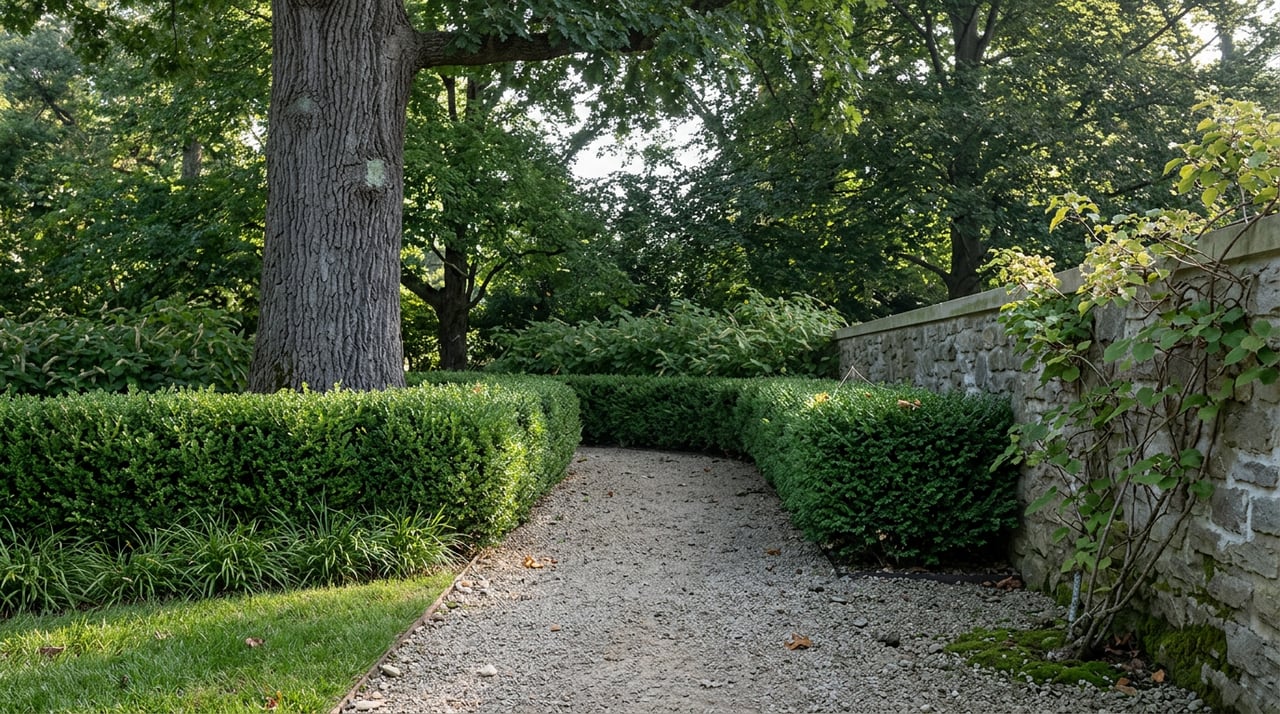
Its mature plantings help define the neighborhood at street level. They add to the leafy, established impression that many buyers are looking for when they explore central Denver neighborhoods.
The Everyday Rhythm of Hilltop
Hilltop’s day-to-day pace feels residential and community-centered. The neighborhood association focuses on zoning and redevelopment, traffic, safety, schools, parks, and community activities, which reflects the priorities of an active local community.
That structure also says something important about Hilltop. It is organized as a volunteer-led Registered Neighborhood Organization rather than an HOA, with open board meetings and committees. That tends to support a sense of involvement and neighborhood engagement.
Quiet Interior Streets, Connected Edges
One of Hilltop’s defining contrasts is the relationship between its interior blocks and its outer edges. Inside the neighborhood, the feel is quiet and residential, shaped by homes, parks, and local routines.
Along the edges, especially near Colorado Boulevard, residents have quicker connections to larger Denver destinations. The association’s transportation coverage suggests how that corridor supports trips toward Cherry Creek, downtown, I-70, and areas farther south.
For many buyers, that balance is a meaningful part of the appeal. You can have a calm residential setting while staying relatively connected to the broader city.
What Daily Life Often Looks Like
Based on the neighborhood’s physical layout and community focus, Hilltop life is often shaped by simple, repeated routines. Think walks under mature trees, time in the parks, school-related trips, and neighbor-to-neighbor interaction.
That may sound subtle, but it is often what creates lasting neighborhood appeal. In Hilltop, the built environment and public spaces support that steady rhythm in a way that feels intentional.
What Buyers Often Notice First
When you first spend time in Hilltop, a few things usually stand out. The first is the sense of space created by streets, lots, and mature landscaping.
The second is the architectural variety. Rather than feeling visually repetitive, Hilltop shows a blend of older residential forms and notable modernist influence.
The third is the role of the parks. Cranmer Park in particular gives the neighborhood a memorable landmark, while the broader network of open space reinforces the area’s residential identity.
Why Hilltop Appeals to Many Buyers
Hilltop often appeals to buyers who want a neighborhood with a well-established feel, visible architectural character, and meaningful access to parks. It also tends to resonate with people who value a residential setting that feels engaged and organized at the community level.
For some, the draw is the architecture. For others, it is the park system, the mature canopy, or the quieter pace of daily life. In many cases, it is the combination of all of those elements that makes Hilltop memorable.
If you are comparing Denver neighborhoods, Hilltop is worth understanding on its own terms. It is not just about location. It is about how history, preservation, parks, and everyday routines come together to shape the experience of living there.
If you are considering a move in Denver and want thoughtful guidance on neighborhoods like Hilltop, Molly Weiss offers a polished, concierge-level approach grounded in deep local knowledge.
FAQs
What makes Hilltop different from nearby Denver neighborhoods?
- Hilltop stands out for its mix of older homes and modernist architecture, its park-rich layout, its mature tree canopy, and the Hilltop Heritage Conservation Overlay District that helps protect neighborhood character.
What is the main park associated with Hilltop in Denver?
- Cranmer Park is the neighborhood’s signature open space, known especially for its sundial terrace and panoramic views of the Rocky Mountains and the Denver skyline.
How does Hilltop protect its architectural character?
- Denver uses the Hilltop Heritage Conservation Overlay District and design-review standards for certain development, exterior alterations, additions, new construction, and related site work.
What does everyday life in Hilltop, Denver feel like?
- Daily life tends to feel quiet, residential, and community-centered, with routines shaped by parks, walks, neighborhood activity, and convenient access to larger Denver corridors along the edges.
Is Hilltop governed by an HOA?
- Hilltop is described by its neighborhood association as a volunteer-led Registered Neighborhood Organization rather than a homeowners association, with open meetings and community committees.