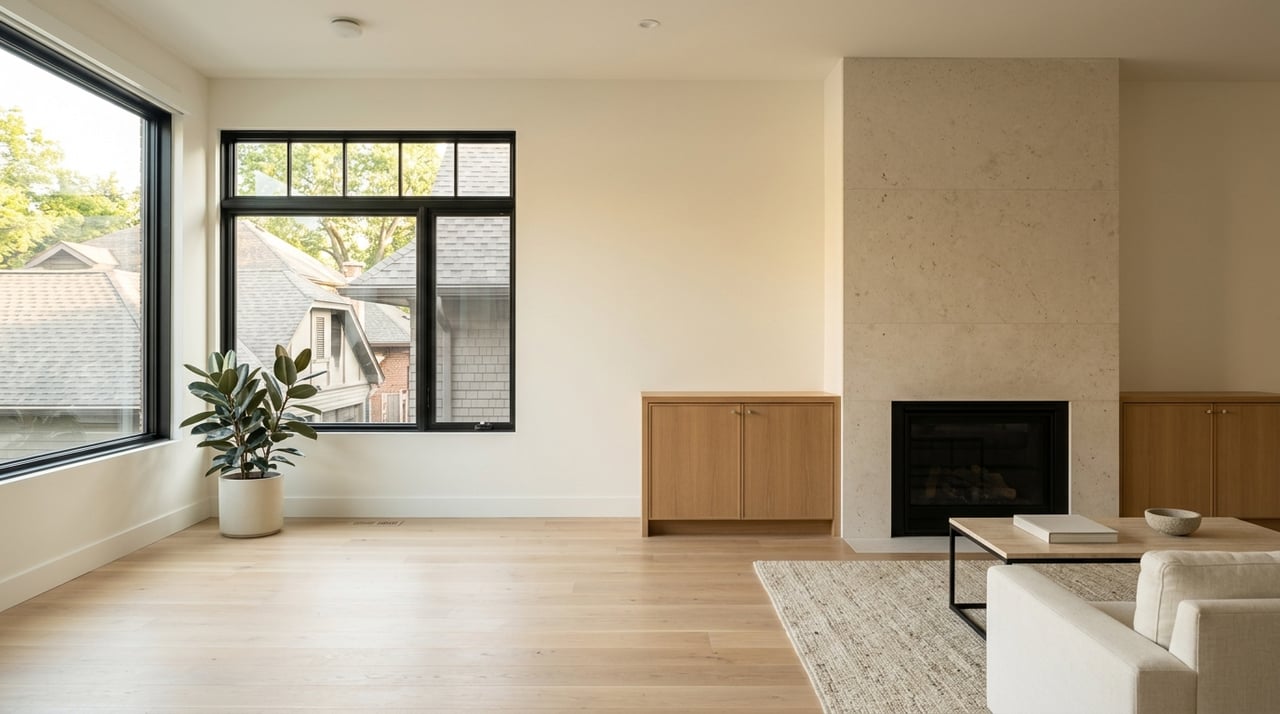
If you are trying to choose between Highland and other central Denver neighborhoods, you are not alone. Many buyers want the same mix of charm, convenience, and value, but each area delivers that balance a little differently. This guide will help you compare Highland with nearby hotspots so you can see where it stands on walkability, housing feel, everyday convenience, and budget. Let’s dive in.
Why Highland Stands Out
Highland has a strong identity within northwest-central Denver. City planning materials describe it as a historic neighborhood with a long-term vision focused on stable, low-density residential character, a balanced mix of housing types and price points, neighborhood shopping and services, and strong connections to downtown and the Central Platte Valley.
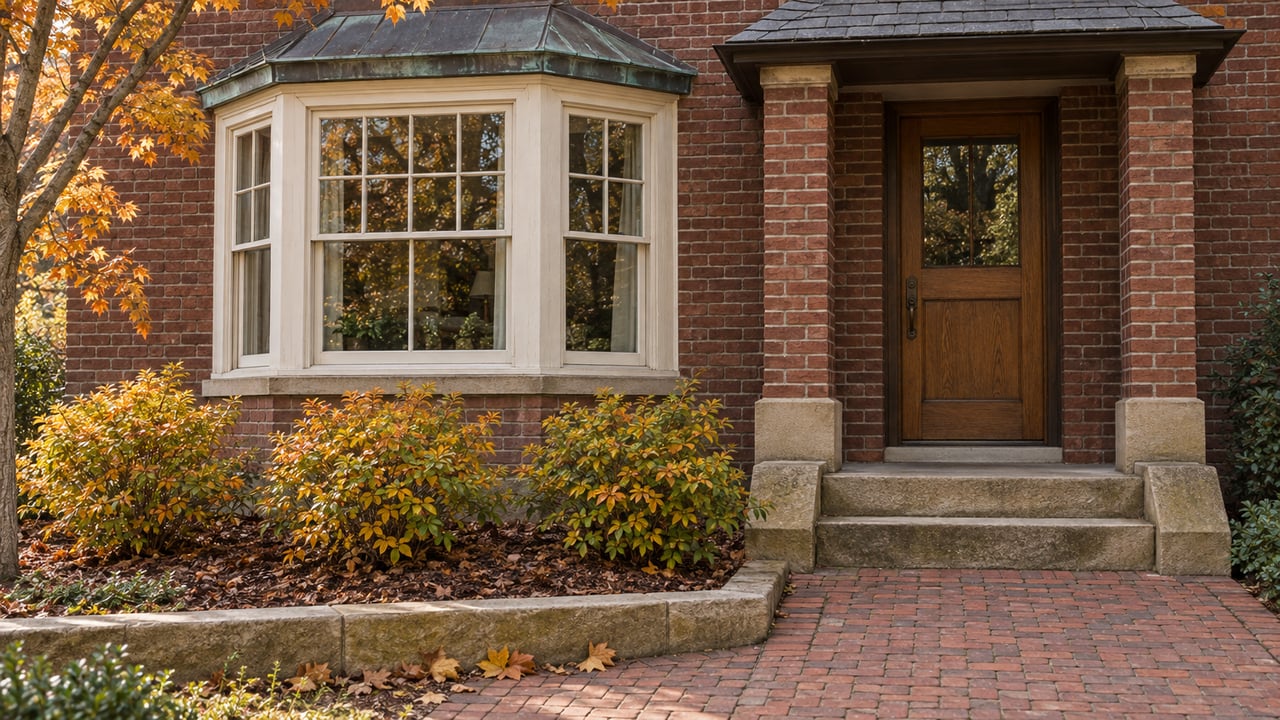
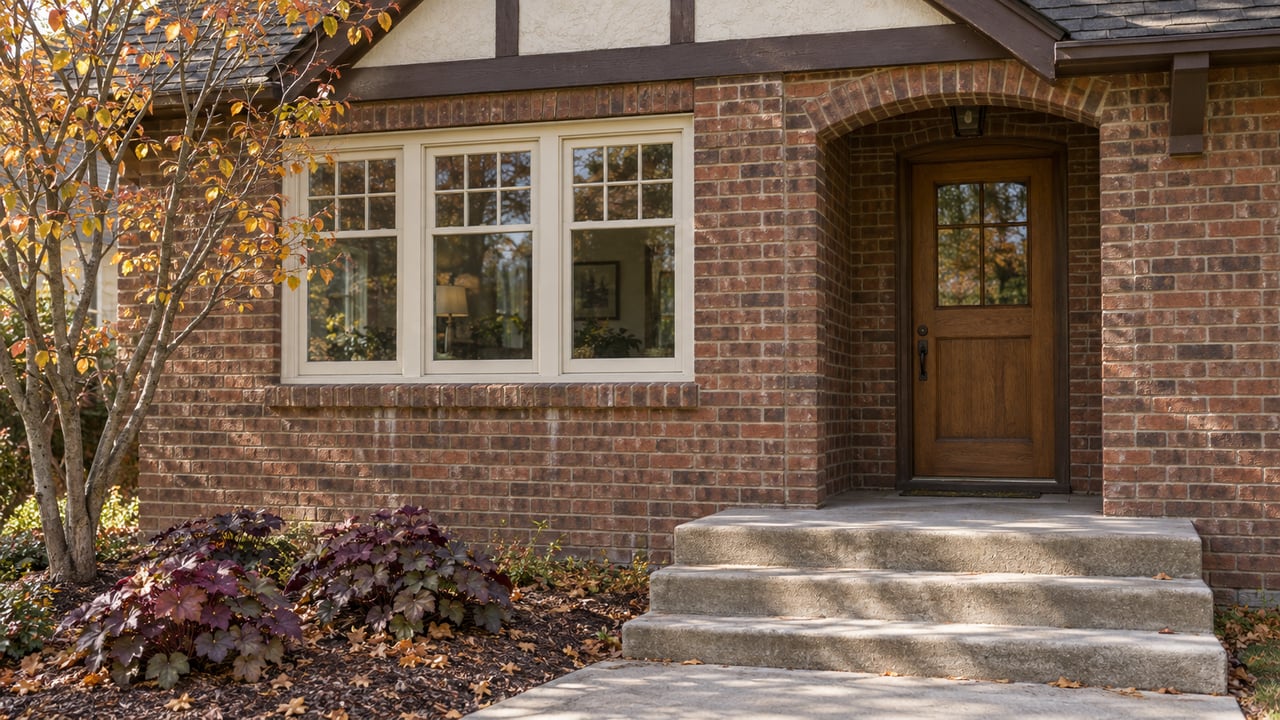
That mix matters if you want more than just a pretty block. In Highland, you get historic character and city access at the same time. Denver landmark materials for Potter Highlands also point to a broad mix of late-19th- and early-20th-century architectural styles, mostly brick construction, and the area’s distinctive square blocks with interior carriage lots.
Highland vs Other Central Denver Hotspots
When you compare Highland with other popular Denver neighborhoods, it helps to think in terms of tradeoffs. Some areas feel more residential. Others feel more urban. Some offer lower entry points, while others bring a higher price tag or a stronger park-centered lifestyle.
Here is where Highland fits in among the most talked-about nearby options.
West Highland: A Quieter Cousin
West Highland is often the closest comparison because of location and overall vibe. Denver study materials describe it as mostly single-family detached houses, which gives it a more residential feel than Highland.
It is also a bit less connected for car-light living. Walk Score rates West Highland at 78 for walkability, 38 for transit, and 75 for biking, compared with Highland at 85, 55, and 89. West Highland also has about 96 food-and-drink venues, which is solid, but still well below Highland’s roughly 163 restaurants, bars, and coffee shops.
Berkeley: Historic Texture With a Neighborhood Main Street
Berkeley brings its own historic appeal. A Denver landmark application describes Berkeley’s alley houses as historic rental or extended-family housing and identifies Tennyson as the neighborhood’s principal commercial thoroughfare.
For buyers, that often translates into a more small-scale historic texture with a defined commercial spine. Walk Score gives Berkeley an 82 for walkability, 37 for transit, and 69 for biking, with about 108 dining venues. Compared with Highland, Berkeley is still convenient, but Highland has the edge on transit, biking, and the sheer number of nearby places to go on foot.
Jefferson Park: A Strong Downtown-Adjacent Peer
Jefferson Park is one of Highland’s closest peers if you want a mixed-housing neighborhood near downtown. Its neighborhood plan emphasizes diversity, two strong neighborhood centers, a range of housing types and styles, and proximity to downtown and the Platte Valley.
On convenience metrics, Jefferson Park is very close to Highland. It scores 86 for walkability, 50 for transit, and 78 for biking, with about 88 dining venues. That means it slightly edges Highland on walkability, but Highland still offers stronger transit and a much larger day-to-day restaurant and coffee-shop scene.
Congress Park: The East-Central Alternative
If you are comparing central neighborhoods on both sides of town, Congress Park is a useful benchmark. Denver’s East Central Area Plan describes the broader area as a place that stretches from the edge of downtown to single-unit neighborhoods farther east, with many types of buildings, houses, and businesses in between.
Congress Park scores 83 for walkability, 49 for transit, and 89 for biking, with about 98 dining venues. In practical terms, it competes well on bike access and overall convenience, but Highland remains stronger on walkability, transit, and the volume of nearby dining and coffee options.
Washington Park: A Higher-Budget, Park-Centric Choice
Washington Park tends to appeal to buyers who want a more park-centered setting and are comfortable shopping at a higher price point. Denver planning materials note that single-family homes dominate residential neighborhoods like Washington Park.
Its convenience profile is different from Highland’s. Walk Score gives Washington Park a 61 for walkability, 42 for transit, and 80 for biking, with about 36 dining venues. So while it offers a well-known lifestyle draw, it does not match Highland’s everyday errand-friendly setup or its concentration of nearby shops and restaurants.
City Park West: The Most Urban Benchmark
City Park West is one of the best comparisons if your top priority is central-city convenience. Among the neighborhoods in this group, it has the most urban-feeling profile.
It scores 87 for walkability, 52 for transit, and 96 for biking, with about 97 dining venues. That puts it slightly ahead of Highland on walkability and biking, while Highland still leads on transit and has a much larger count of restaurants, bars, and coffee shops.
Highland’s Walkability and Access
Highland is in Denver’s top tier for pedestrian convenience. With a Walk Score of 85, a Transit Score of 55, and a Bike Score of 89, it supports a lifestyle where many daily needs can be handled without getting in the car.
That said, numbers only tell part of the story. Denver planning documents reinforce that Highland’s appeal comes not just from local walkability, but also from strong connections to downtown and the Central Platte Valley. The West 35th Avenue study also identifies the corridor as an important route for access to downtown, Lower Highland, West Highland, and Sloan Lake.
For you as a buyer, that means Highland can feel especially balanced. You get a neighborhood setting with historic roots, but you also keep straightforward access to major parts of central Denver.
Highland’s Everyday Convenience
One of Highland’s biggest advantages is simple: there is a lot nearby. Walk Score reports about 163 restaurants, bars, and coffee shops in Highland, with an average of 11 such places reachable within five minutes on foot.
That count is materially higher than Berkeley at about 108, Congress Park at 98, West Highland at 96, Jefferson Park at 88, City Park West at 97, and Washington Park at 36. If your ideal neighborhood lets you run errands, meet friends, grab coffee, or head out to dinner without much planning, Highland is one of the strongest options in this part of Denver.
How Highland Compares on Price
Price is where buyers often need the clearest context. A May 2026 market snapshot shows Highland with a median sale price of $999,664.
Compared with other nearby options, Highland sits in the upper-middle part of the central Denver mix. Research snapshots place Congress Park at $861,000 and Washington Park at $1.475 million. Nearby indicators on Highland-related market pages show Berkeley around $810,000, Sunnyside around $765,000, Sloan Lake around $1.05 million, and LoHi around $907,500.
Because some of these figures are sale-price snapshots and others are nearby listing indicators, the comparison is best viewed as directional rather than exact. Still, the pattern is useful: Highland tends to price above Berkeley, Congress Park, and Sunnyside, roughly near Sloan Lake, and below Washington Park.
Who Highland Fits Best
Highland tends to make the most sense if you want a neighborhood that feels balanced across several priorities. It offers historic character, strong walkability, better-than-average transit access, and one of the strongest dining and coffee scenes among central Denver neighborhoods in this comparison.
It may be a strong fit for you if you want:
- A historic neighborhood setting with a mix of housing types
- Easy access to downtown and the Central Platte Valley
- High walkability for daily errands and outings
- More dining and coffee options close to home
- A price point below top-tier alternatives like Washington Park
If you want something quieter and more residential, West Highland or Berkeley may be worth a closer look. If you want the most urban feel possible, City Park West may be a stronger match. If your focus is a park-centered lifestyle and a higher budget, Washington Park may belong on your list.
The Bottom Line on Highland
Highland stands out as one of the most balanced options in northwest-central Denver. It combines historic character, strong neighborhood identity, excellent walkability, and standout day-to-day convenience without pushing into the highest price tier among central Denver hotspots.
For many buyers, that balance is exactly the point. You are not choosing Highland because it is the most urban, the quietest, or the most park-focused. You are choosing it because it brings together a little of each in a way that works for real daily life.
If you are weighing Highland against Berkeley, Congress Park, Washington Park, or other central Denver neighborhoods, having neighborhood-level guidance can make the decision much clearer. For tailored advice on where your budget and lifestyle align best, connect with Molly Weiss.
FAQs
How does Highland compare to West Highland in Denver?
- Highland is generally more walkable and transit-connected than West Highland, with more restaurants, bars, and coffee shops nearby, while West Highland tends to feel more residential and quieter.
How does Highland compare to Berkeley for Denver buyers?
- Highland and Berkeley both offer historic character, but Highland scores higher for walkability, transit, biking, and total dining venues, while Berkeley is often associated with a smaller-scale historic feel and the Tennyson commercial corridor.
Is Highland one of the most walkable neighborhoods in central Denver?
- Yes. Highland has a Walk Score of 85, which places it in Denver’s top tier for walkability, though City Park West and Jefferson Park score slightly higher in this comparison.
How expensive is Highland compared with other central Denver neighborhoods?
- A May 2026 snapshot shows Highland with a median sale price of $999,664, which places it above Berkeley, Congress Park, and Sunnyside, roughly near Sloan Lake, and below Washington Park.
What makes Highland appealing for daily life in Denver?
- Highland stands out for its combination of historic character, strong access to downtown, high walkability, solid transit and bike scores, and about 163 nearby restaurants, bars, and coffee shops.
Is Highland a good fit if you want a car-light lifestyle in Denver?
- Highland can be a strong option for a car-light lifestyle because it combines high walkability, a Transit Score of 55, a Bike Score of 89, and strong connections to downtown and the Central Platte Valley.