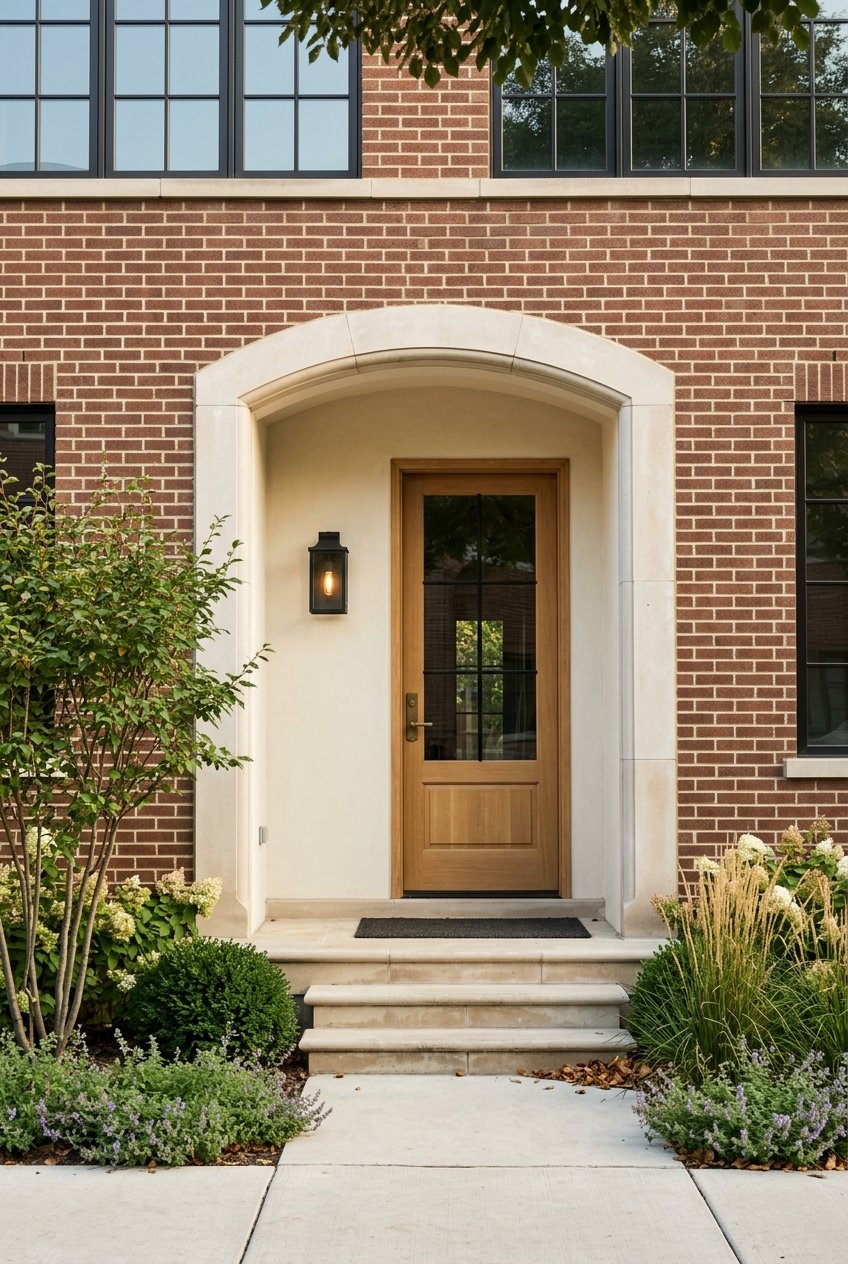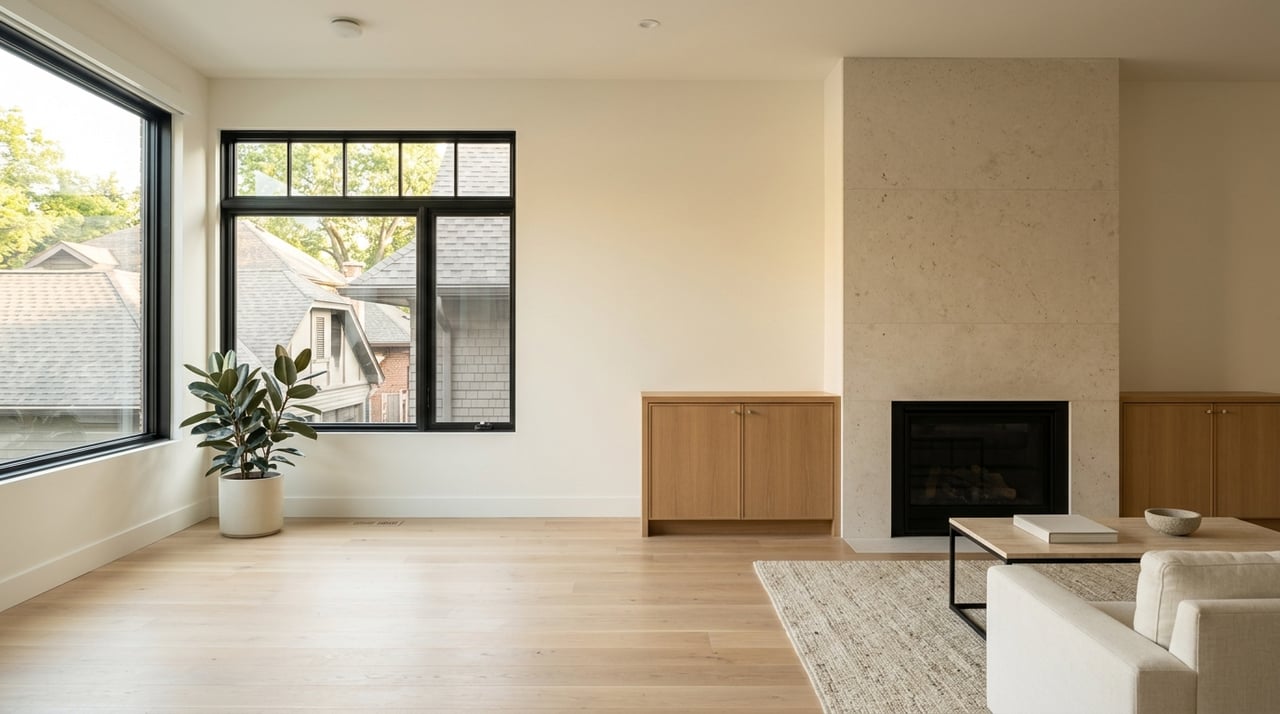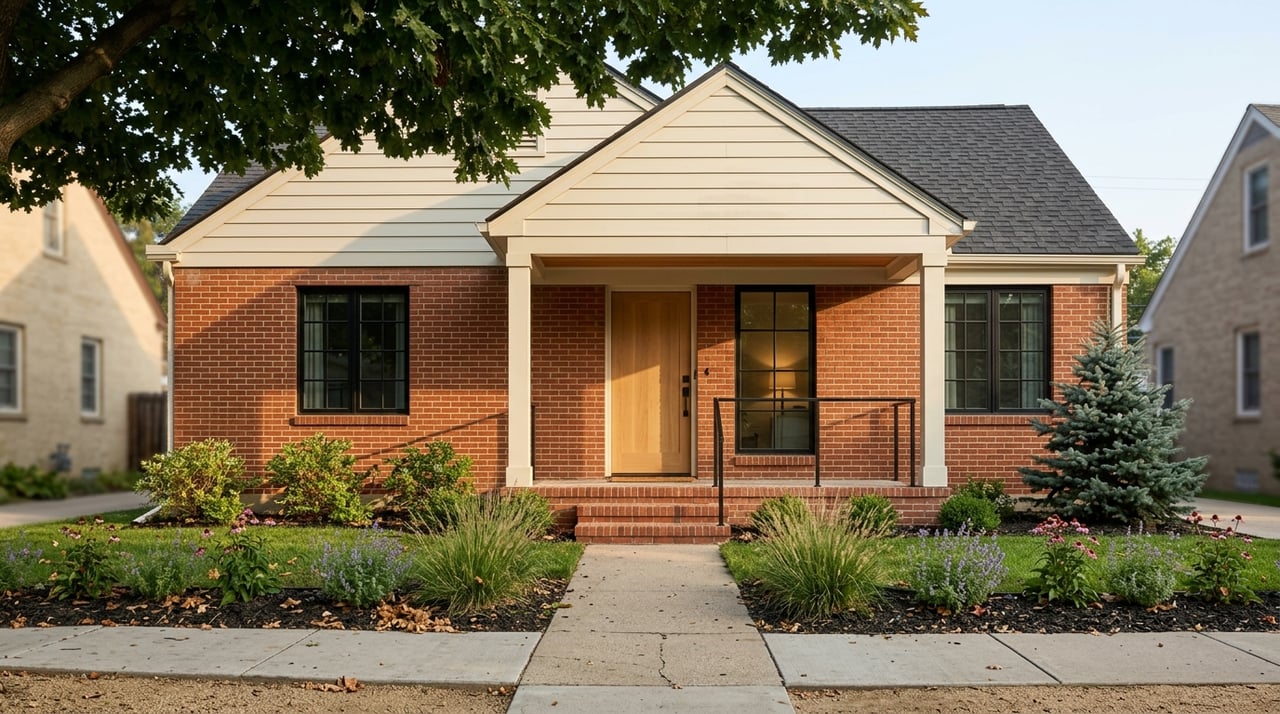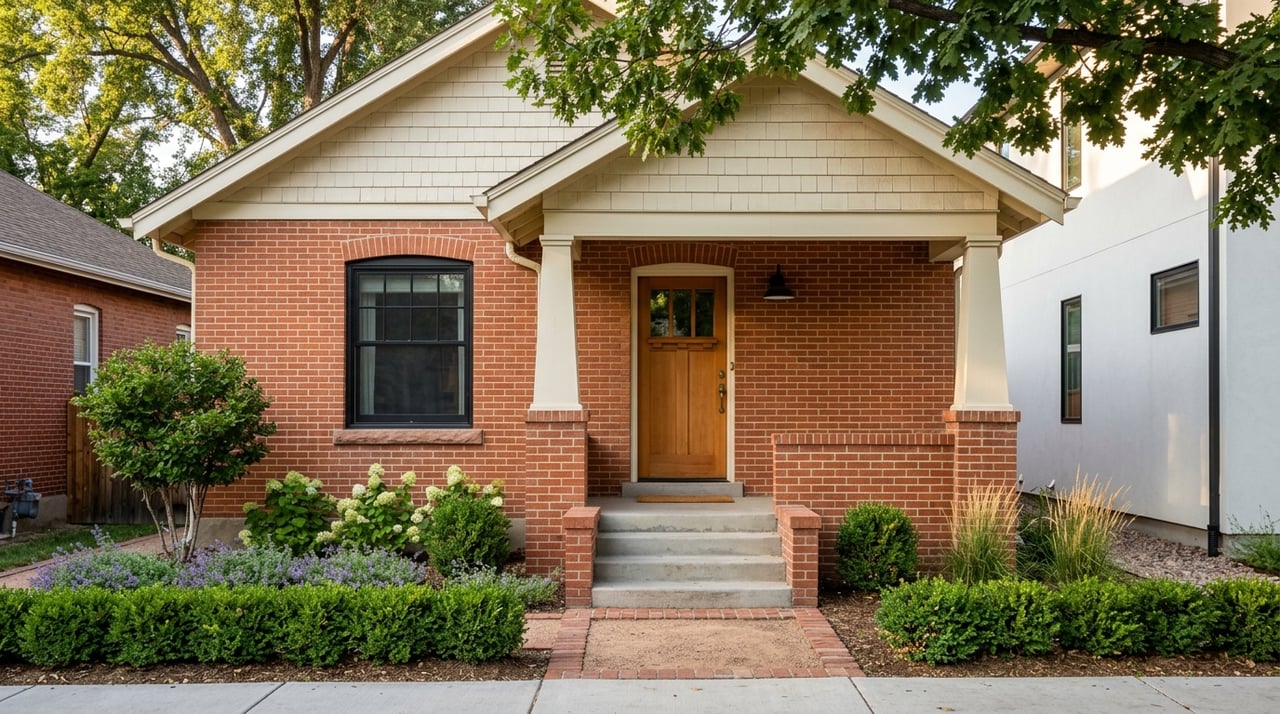
Wondering which home style fits you best in Congress Park? That question matters here more than in many Denver neighborhoods, because Congress Park is not defined by just one look or era. If you are trying to balance charm, layout, upkeep, and long-term plans, understanding the neighborhood’s housing mix can help you make a smarter decision. Let’s dive in.
Why Congress Park Has So Many Styles
Congress Park developed in layers, and you can still see that story in its streets today. The neighborhood is bounded by York Street, Colfax Avenue, Colorado Boulevard, and Sixth Avenue, and much of its growth followed early streetcar and tramway lines.
That history shaped the housing stock you see now. A Discover Denver survey documented 2,409 parcels in Congress Park and found that 78% of the buildings were single-unit homes. The strongest historic character is generally found on the interior residential streets, while Colfax and Colorado Boulevard have more commercial and mixed-use buildings.
This also helps explain why choosing a home style in Congress Park is often also about choosing a block. As you move southeast through the neighborhood, the housing shifts from earlier Queen Anne and Victorian homes to Denver Squares and then to the bungalow-heavy buildout of the 1910s and 1920s.
Bungalows Lead The Neighborhood
If you picture a classic Congress Park home, there is a good chance you are picturing a bungalow. The neighborhood survey found 968 bungalows, making them the most common single-unit home type in the area and 51.3% of all single-unit homes.
Bungalows are generally low, horizontal homes with broad porches, simple lines, and one or one-and-one-half stories. Common details include gently pitched roofs, porch piers or thick columns, shed dormers, clipped gables, and exposed rafter ends.
For daily living, bungalows often appeal to buyers who want a practical footprint. Main-floor living tends to do most of the work, while basements can provide added flexibility for storage, hobbies, or extra finished space.
What A Bungalow May Mean For You
A bungalow can be a strong fit if you want historic character without quite as much ornament and complexity as an older Victorian home. The form is usually more compact and straightforward, which many buyers find easier to live in day to day.
That said, these are still older homes. Roof edges, porches, masonry, and original windows still need attention, even if the exterior is simpler than more decorative styles nearby.
Because bungalows are the deepest part of the neighborhood’s housing supply, they are often the easiest style to find. If you want to focus your search on one style in Congress Park, this is often the most practical starting point.
Denver Squares Offer Balance
The Denver Square, also known as the American Foursquare, gives you a different experience. In Congress Park, the survey recorded 329 Foursquare homes, making them the second most common single-unit type after bungalows.
These homes are typically square-shaped, two stories tall, and topped with a hipped roof. Many include a large front porch, a centered dormer or window near the roof peak, and a central hallway that creates a more formal, balanced layout.
In Congress Park, Denver Squares often sit in a sweet spot between ornate and compact. They tend to feel more efficient and symmetrical than a Queen Anne, while still offering historic presence and a substantial two-story layout.
Why Buyers Often Like Denver Squares
If you want more separation between living spaces and bedrooms, a Denver Square may feel more natural than a bungalow. The plan can suit buyers who want a larger footprint without stepping into a more highly detailed and maintenance-heavy Victorian house.
Historically, the form also made strong use of narrow city lots. In practical terms, that often translates into a home that feels substantial without wasting space.
For some buyers, this style strikes the best balance in Congress Park. You keep the porch-oriented street presence and the historic feel, but often with a cleaner and more predictable floor plan.
Victorian And Queen Anne Homes Bring Character
Congress Park’s oldest homes are usually found in the northwest portion of the neighborhood. This is where you are more likely to encounter Queen Anne and Victorian houses from around the turn of the 20th century.
These homes often stand out right away. Queen Anne architecture is known for asymmetrical forms, intersecting gable roofs, dormers or turrets, multi-paned or stained-glass windows, spindlework, and floor plans that tend to open around a central staircase rather than follow a boxy, symmetrical shape.
If your priority is architectural personality, this style can be especially compelling. These homes often feel visually distinctive both inside and out, and they represent the earliest layer of Congress Park’s residential history.
What To Consider With Older Decorative Homes
The same details that make Victorian and Queen Anne homes memorable can also create more upkeep. More rooflines, more trim, more porch detailing, and older window packages typically mean more maintenance points to monitor over time.
Historic Denver’s maintenance guidance is especially relevant here. Water management is key, so roofs, flashing, gutters, porches, trim, masonry, and original windows all deserve close attention.
If you love the character, it helps to go in with clear eyes. These homes can be deeply rewarding, but they usually ask more from you in terms of maintenance planning and preservation-minded repairs.
Later-Build Homes Are Scarcer
Many buyers ask whether they can find a newer detached home in Congress Park. The short answer is that newer single-unit options are relatively limited compared with the neighborhood’s large prewar housing stock.
According to the survey, nearly 80% of Congress Park buildings were constructed between 1900 and 1929, and 83% of those were single-unit homes. Fewer than thirty single-unit homes were built between 1946 and 1982, and many of those were Minimal Traditional or Ranch types.
Most of the later building wave was multi-unit. Nearly 70% of the buildings constructed in that later period were multi-unit properties, often apartment buildings with simpler modernist design.
Who Later-Build Homes May Suit
If you prioritize simpler layouts, newer systems, or fewer period-specific restoration concerns, later-build or replacement homes may be worth watching for. In Congress Park, though, these are simply less common in detached single-family form.
That scarcity means your search may involve tradeoffs. You may gain a more standardized layout or fewer historic details to maintain, but you may also give up some of the character that defines many of the neighborhood’s most established residential blocks.
Style Choice Is Also A Lifestyle Choice
In Congress Park, the right home style is not just about curb appeal. It is about how you want to live in the space every day.
If you want a strong sense of period character, a Victorian or Queen Anne may be the best fit. If you want a substantial two-story home with a more efficient layout, a Denver Square may feel right. If you want practical main-floor living and the widest selection, a bungalow is often the natural match.
Later-build homes can appeal if you want something more standardized, but they are a smaller part of the detached market here. That makes it especially important to know which tradeoffs matter most to you before you start touring.
Maintenance Matters In Congress Park
Because so much of Congress Park’s housing stock is older, maintenance deserves a central place in your decision. Historic Denver’s guidance emphasizes that water is often the biggest long-term issue in older masonry homes.
That means you should pay close attention to roofs, flashing, gutters, masonry joints, basement moisture, and windows. The same guidance notes that original wood windows can often be rehabilitated rather than replaced, with weatherstripping and storm windows used to improve comfort and efficiency.
This does not mean older homes are a problem. It means they tend to reward buyers who understand the difference between cosmetic updates and true building stewardship.
Renovation Rules Can Affect Your Plans
If you are thinking about exterior updates, Congress Park’s historic context matters. The area includes several locally designated historic districts within the survey area, including the East 7th Avenue Historic District, Frank S. Snell Subdivision, Wyman Historic District, and Morgan’s Subdivision Historic District.
Denver Landmark Preservation reviews exterior work that requires a building or zoning permit on individual landmarks and properties in historic districts. The city also notes that roofing and siding work on individual landmarks or buildings within a historic district must be approved first by Landmark Preservation.
For buyers, that makes due diligence important before you purchase. If you already know you want to change windows, alter a porch, build an addition, or update exterior materials, it is wise to confirm the property’s designation status and likely review path early.
How To Decide Which Style Fits You Best
A simple way to narrow your options is to match the home style to your priorities. Start with how you want the home to function, then weigh how much upkeep and exterior review you are comfortable taking on.
Here is a quick way to think about it:
- Choose a Victorian or Queen Anne if you want standout period detail and do not mind a more hands-on maintenance profile.
- Choose a Denver Square if you want a two-story historic home with a balanced layout and substantial street presence.
- Choose a bungalow if you want a practical footprint, strong porch appeal, and the broadest selection in Congress Park.
- Choose a later-build or replacement home if you value simpler layouts and fewer restoration obligations, while understanding that detached options are more limited.
The best choice is the one that supports your daily life, your budget for upkeep, and your comfort with future projects. In Congress Park, those factors matter just as much as style itself.
Whether you are drawn to a classic bungalow, a stately Denver Square, or one of the neighborhood’s earlier Victorian homes, having local guidance can make the search much clearer. If you want help weighing layout, block-by-block character, and long-term fit in Congress Park, connect with Molly Weiss for thoughtful, neighborhood-focused advice.
FAQs
What is the most common home style in Congress Park?
- Bungalows are the most common single-unit home type in Congress Park, with 968 examples identified in the neighborhood survey.
Where are Victorian and Queen Anne homes most common in Congress Park?
- The oldest Queen Anne and Victorian homes are generally concentrated in the northwest portion of Congress Park.
Are Denver Squares common in Congress Park?
- Yes. The neighborhood survey recorded 329 Foursquare homes, also known locally as Denver Squares.
Are newer detached homes easy to find in Congress Park?
- Not usually. Congress Park is primarily a prewar neighborhood, and fewer than thirty single-unit homes were built between 1946 and 1982.
Do historic district rules affect exterior work in Congress Park?
- Yes. On individual landmarks and properties within historic districts, exterior work that requires a building or zoning permit is reviewed by Denver Landmark Preservation, and roofing and siding work must be approved first.
How should buyers compare home styles in Congress Park?
- Focus on how each style aligns with your preferred layout, maintenance comfort level, and renovation plans, not just the exterior look.