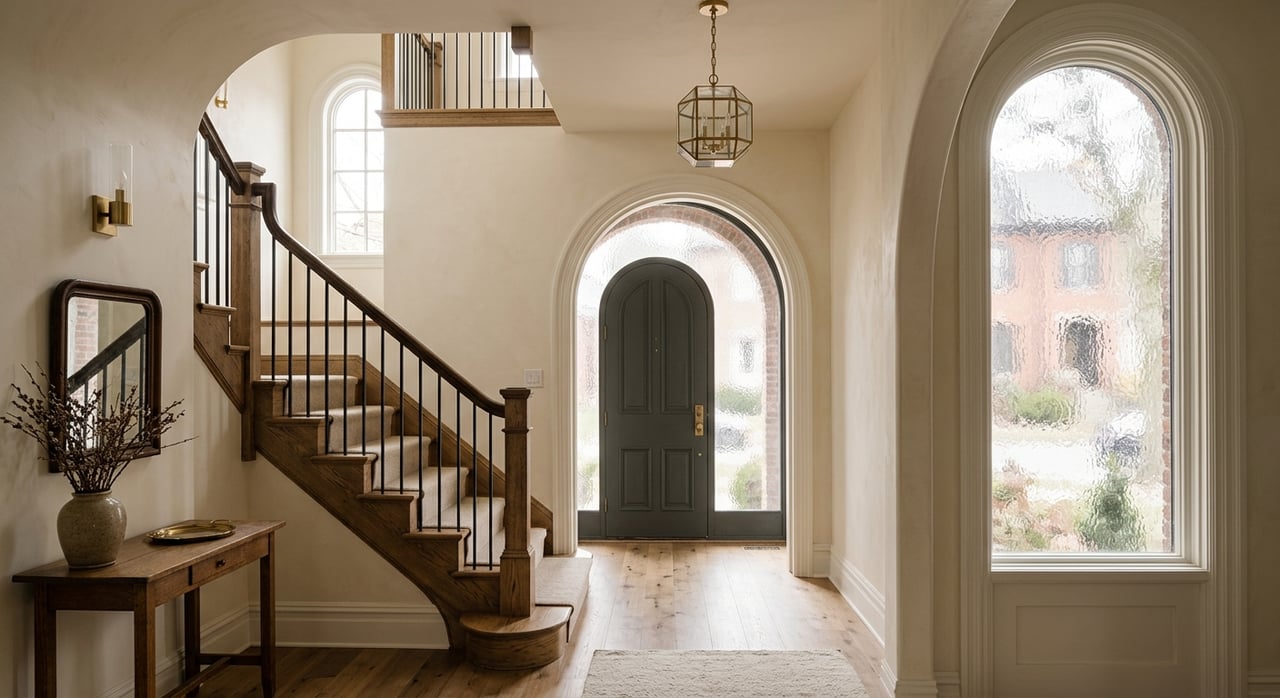
Wondering what it’s really like to buy a classic home in Park Hill? You are not alone. For many Denver buyers, Park Hill stands out because of its character, mature streetscape, and wide mix of home styles, but older homes also come with a different kind of homework. If you want charm without surprises, it helps to know what to look for before you write an offer. Let’s dive in.
Why Park Hill Feels Different
Park Hill is not a one-era neighborhood with rows of similar homes. It began as a platted neighborhood in 1887, and much of its development happened in several waves between about 1893 and 1954.
That layered history matters when you shop here. Two homes on the same block can have very different ages, floor plans, remodel quality, and maintenance needs. As a buyer, you want to look past curb appeal and understand how a home fits into that bigger story.
What Types of Homes You’ll See
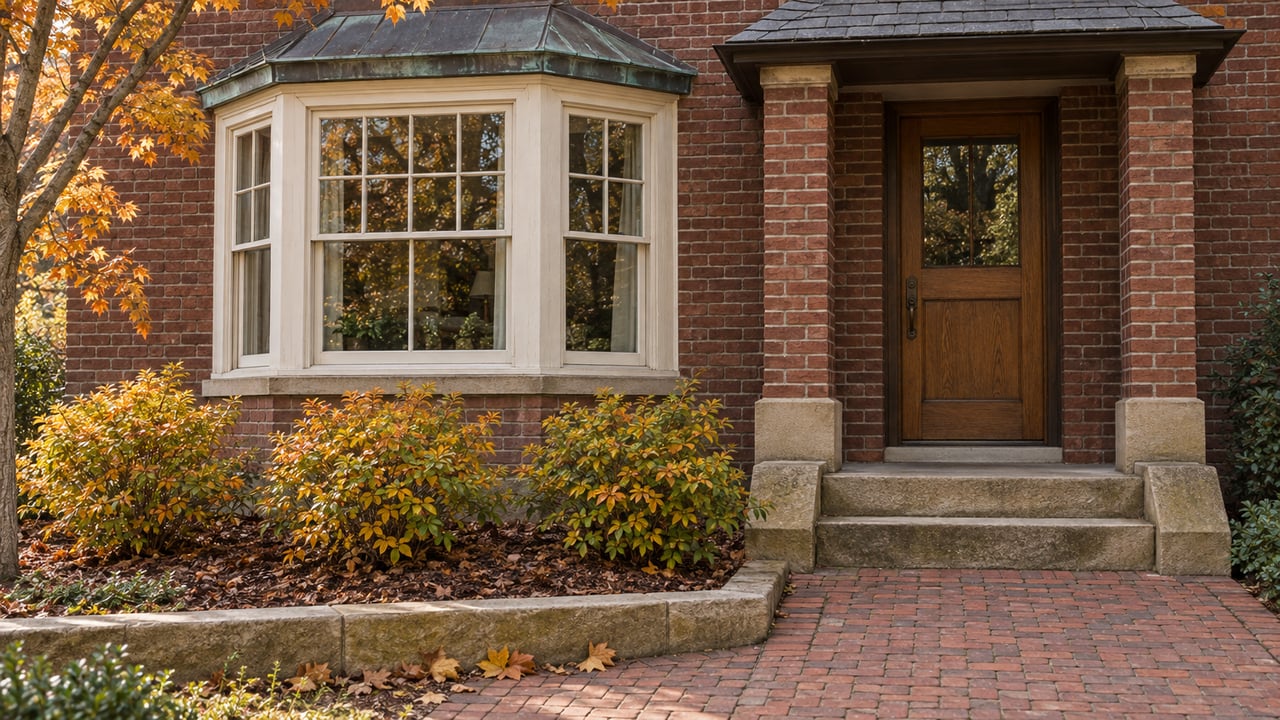
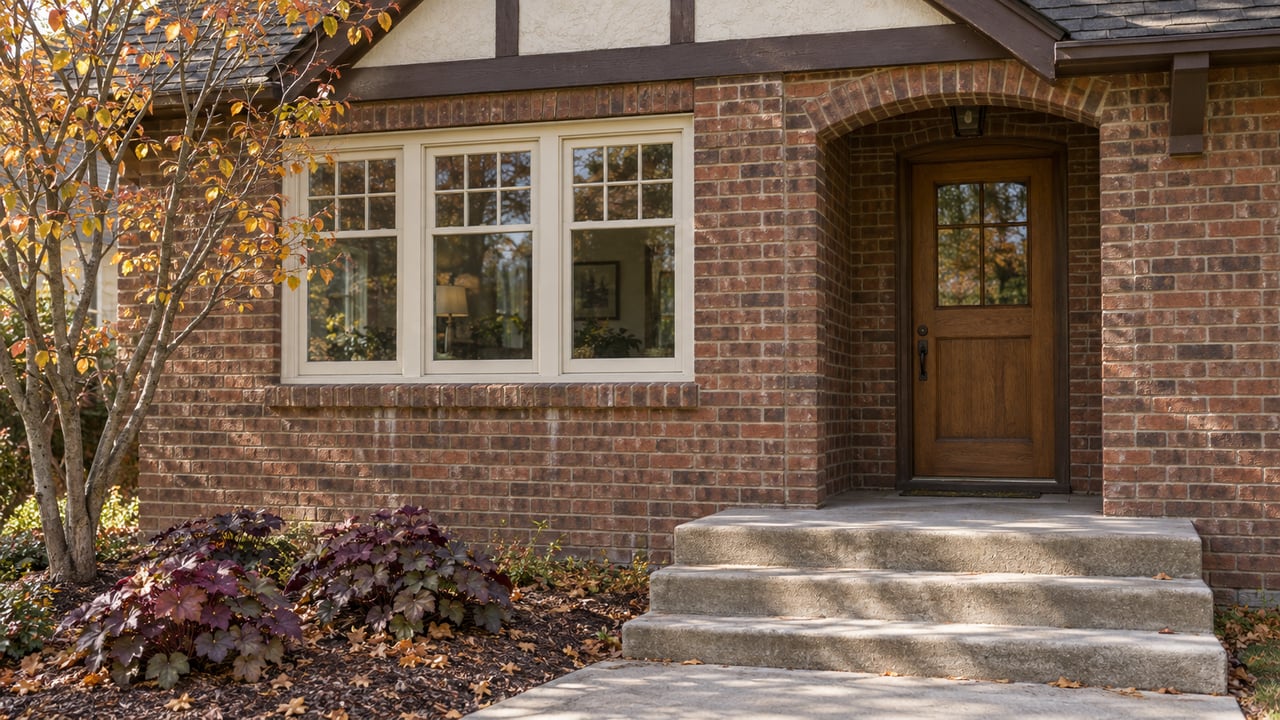
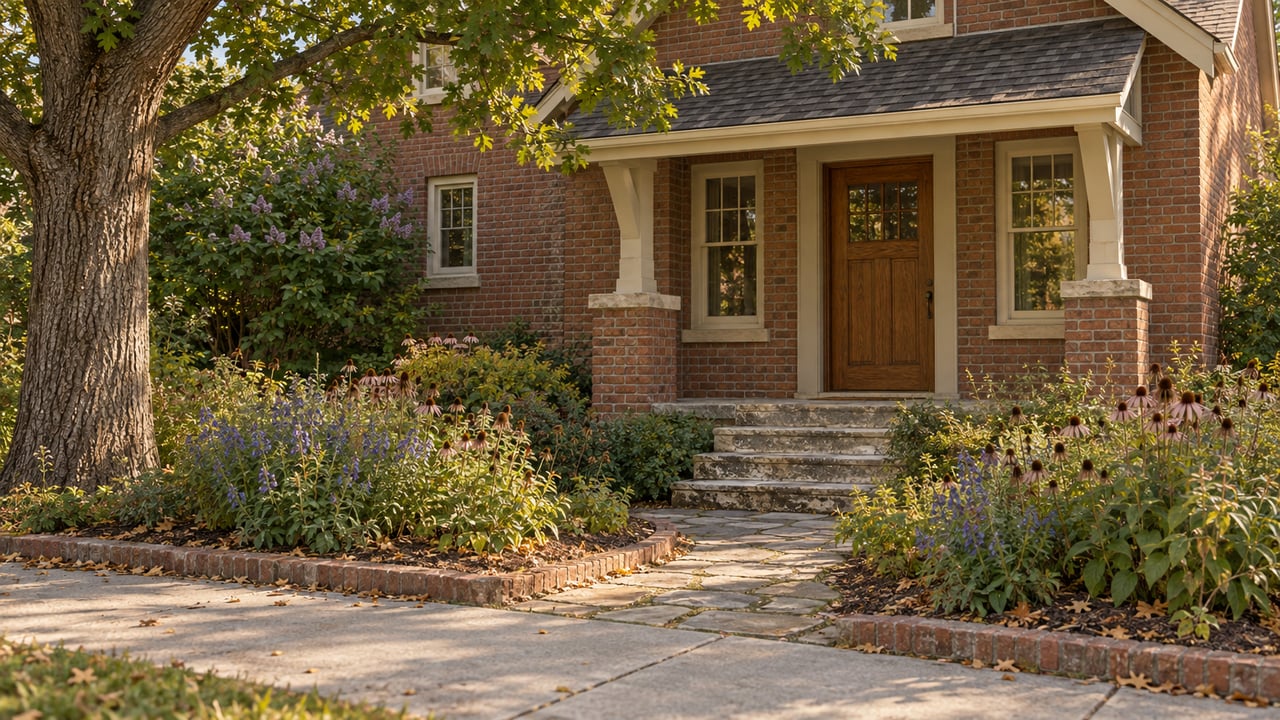
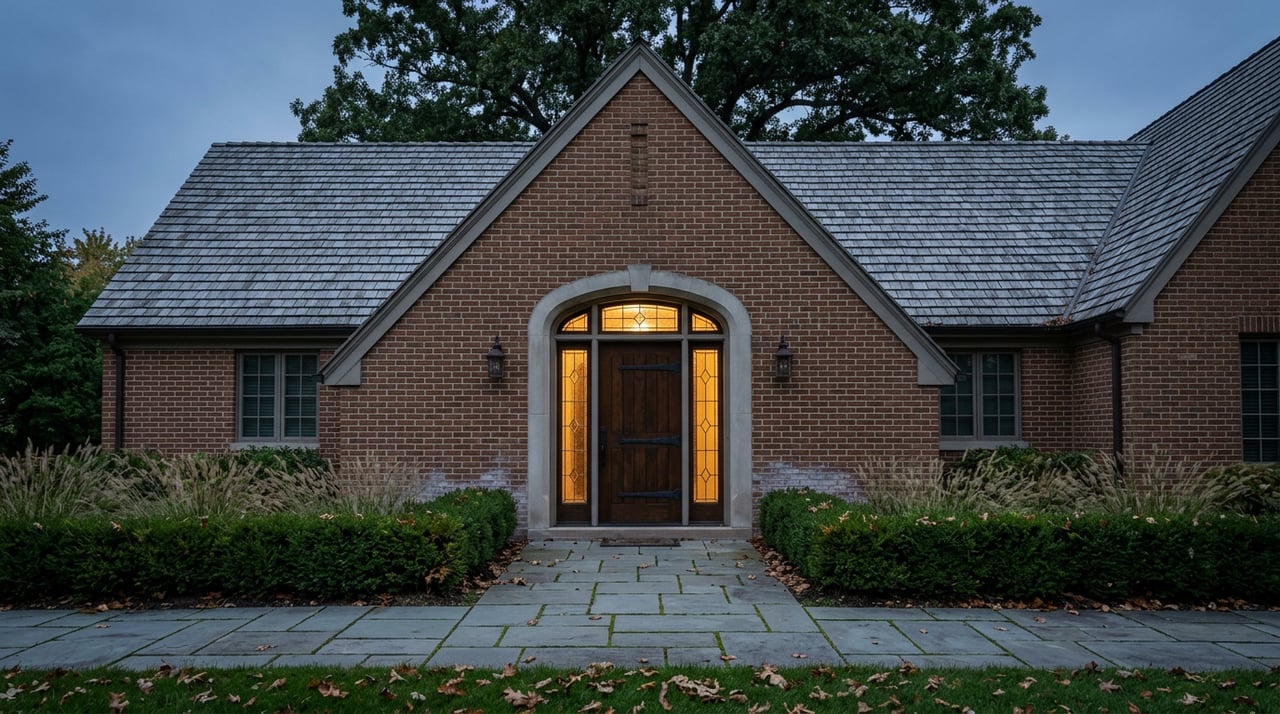
Park Hill offers a broad architectural mix rather than one dominant style. According to the National Park Service, the neighborhood includes Edwardian transitional houses, Foursquares, Dutch Colonial Revivals, Colonial Revivals, Bungalows, Mission and Spanish Colonial Revival homes, Tudor Revivals, Italian Renaissance styles, eclectic designs, and post World War II minimal traditional houses.
Bungalows make up the largest share of houses in the historic district. You will also see larger architect-designed homes and practical early-20th-century layouts that feel very different from newer construction in other parts of Denver.
Denver Squares and Foursquares
One classic Park Hill layout is the Denver Square, which is the local term for the American Foursquare. These homes are typically square-shaped, two stories tall, and known for a large front porch, boxy form, hipped roof, large windows, and a four-room plan centered around a hall.
For you as a buyer, that often means more defined rooms and less of the open-concept flow found in newer homes. Some people love that separation of space. Others may want to plan for thoughtful updates that improve circulation while respecting the home’s original character.
Bungalows and Smaller Footprints
If you are drawn to a bungalow, expect a more compact layout. These homes can offer strong charm and efficient living, but storage, ceiling height, and room size may vary from one property to another.
Because Park Hill developed over many decades, even homes that look similar from the street may have very different additions, basement finishes, or system upgrades. That is one reason due diligence matters so much here.
What to Check Before You Buy
Buying a classic home is often less about perfection and more about understanding condition. In Park Hill, some of the most important questions are not about finishes. They are about how well the structure and major systems have been maintained over time.
A well-updated kitchen is nice to have, but it should not distract you from bigger-ticket items. Roof condition, drainage, masonry, plumbing, and mechanical systems often tell you more about long-term ownership costs than cosmetic upgrades do.
Focus on Moisture First
Older homes are especially vulnerable to moisture intrusion. Deteriorated exterior materials, blocked gutters, open joints in masonry, and poor drainage can all allow water to get where it should not.
When you tour a home, pay attention to signs that water has been controlled well over time. Look closely at gutters, downspouts, grading, window seals, and visible masonry condition. Moisture issues can affect everything from basement comfort to structural longevity.
Ask About Plumbing and Mechanicals
In a neighborhood with older housing stock, plumbing and mechanical systems often need ongoing maintenance or replacement over time. A home may look beautifully renovated while still having aging pipes, an older furnace, or deferred maintenance hidden behind walls.
During your inspection period, it is smart to get as clear a picture as possible of the age, condition, and remaining useful life of major systems. That information can shape both your offer strategy and your budget after closing.
Lead Paint and Asbestos Matter Here
Because much of Park Hill’s housing stock was built before 1978, lead-based paint is a common due-diligence issue. In Colorado, sellers must disclose known lead hazards, provide the required lead information, and allow a 10-day period for a buyer to inspect or assess for lead unless the parties agree to a different timeline.
If you are planning renovations, this matters even more. Disturbing painted surfaces in an older home can create hazardous lead dust, so lead-safe certified contractors are important when work will affect those areas.
Asbestos can also come up in older homes. It may be found in materials such as pipe insulation, floor tile, textured finishes, roofing, or siding.
Not every older material is automatically a crisis. Intact asbestos-containing material can often be left alone, but damaged material or anything that will be disturbed during remodeling should be handled by trained, qualified professionals.
Why Radon Testing Is Worth It
In Colorado, radon deserves special attention. The Colorado Department of Public Health and Environment says radon is found at elevated levels in one out of every two Colorado homes, and the state encourages buyers to test during the inspection process.
Testing is generally recommended in the lowest area that could become living space. Colorado also regulates radon measurement and mitigation professionals, so if testing or mitigation is needed, you can look for properly licensed professionals during the process.
Don’t Ignore Soil and Drainage
Classic homes come with visible charm, but some of the most important issues sit below the surface. The Colorado Geological Survey identifies expansive soil as the state’s most significant geologic hazard, and it can affect foundations, basement floors, driveways, roads, and sewer lines.
Poor surface drainage and irrigation near the foundation can make these problems worse. In practical terms, that means you should pay close attention to grading, drainage patterns, and any signs of movement or cracking when evaluating an older Park Hill home.
Historic Status Can Affect Your Plans
If you are dreaming about an addition, garage work, or major exterior changes, check historic status early. Denver’s Landmark Preservation program reviews exterior changes that require a building or zoning permit when a property is individually landmarked or located within a historic district.
That does not mean you should avoid these homes. It simply means your renovation timeline, design choices, and approval process may look different than they would in a non-designated area.
A Smart Inspection Strategy for Park Hill
A general home inspection is the starting point, not the finish line. HUD notes that an inspection should help you understand the home’s overall condition and the remaining useful life of major systems.
For an older Park Hill property, it can also make sense to ask whether added testing or review is appropriate for items like radon, asbestos, lead paint, mold, air quality, water quality, or pests. The right level of investigation depends on the specific house, its age, and your renovation plans.
Practical Questions to Ask
Here are a few smart questions to keep in mind as you evaluate a classic home in Park Hill:
- When were the roof, gutters, and downspouts last replaced or repaired?
- Has the masonry been repointed or otherwise maintained?
- What is the age of the furnace, boiler, water heater, and major plumbing lines?
- Has the home been tested for radon?
- Are there known lead-based paint disclosures?
- Are there materials that may contain asbestos?
- Has the seller completed major remodel work, and if so, when?
- Is the property individually landmarked or within a historic district?
How to Think About Ownership
The best Park Hill homes are often the ones where classic architecture and smart maintenance come together. A beautiful original porch, brick exterior, or period detail can be a real asset, but long-term enjoyment usually comes down to care and planning.
The National Park Service guidance for older buildings points to simple but important basics. Keep rainwater away from the foundation, maintain gutters and downspouts, repair mortar when needed, seal around windows and doors, keep vegetation from pressing against the house, and stay ahead of plumbing or mechanical leaks.
If you go in with clear eyes, Park Hill can be a rewarding place to buy. You are not just purchasing square footage. You are buying into a neighborhood with architectural range, history, and homes that often have stories worth preserving.
If you are considering a classic home in Park Hill, working with someone who understands Denver’s older housing stock can make the process more confident and far less overwhelming. For tailored guidance, local insight, and a concierge-level buying experience, connect with Molly Weiss.
FAQs
What makes Park Hill homes different from newer Denver homes?
- Park Hill homes were built across several decades, roughly from the late 1800s through the mid-1900s, so you will see more variation in style, layout, condition, and remodel history than in a newer subdivision.
What architectural styles are common in Park Hill?
- Common Park Hill styles include bungalows, Denver Squares or Foursquares, Colonial Revival, Dutch Colonial Revival, Tudor Revival, Mission and Spanish Colonial Revival, and other early- to mid-century designs.
What should buyers inspect in a classic Park Hill home?
- Buyers should pay close attention to the roof, gutters, downspouts, masonry, drainage, plumbing, and mechanical systems, along with any signs of moisture intrusion or deferred maintenance.
Why is radon testing important for Park Hill buyers?
- Colorado reports elevated radon levels in one out of every two homes, so testing during the inspection period is an important step, especially in the lowest level that could be used as living space.
Do Park Hill buyers need to think about lead paint?
- Yes. Because many Park Hill homes were built before 1978, lead-based paint can be a key due-diligence issue, and Colorado requires disclosure of known lead hazards.
Can historic rules affect remodeling a Park Hill home?
- Yes. If a property is individually landmarked or located in a historic district, certain exterior changes that require permits may also need Landmark Preservation review in Denver.