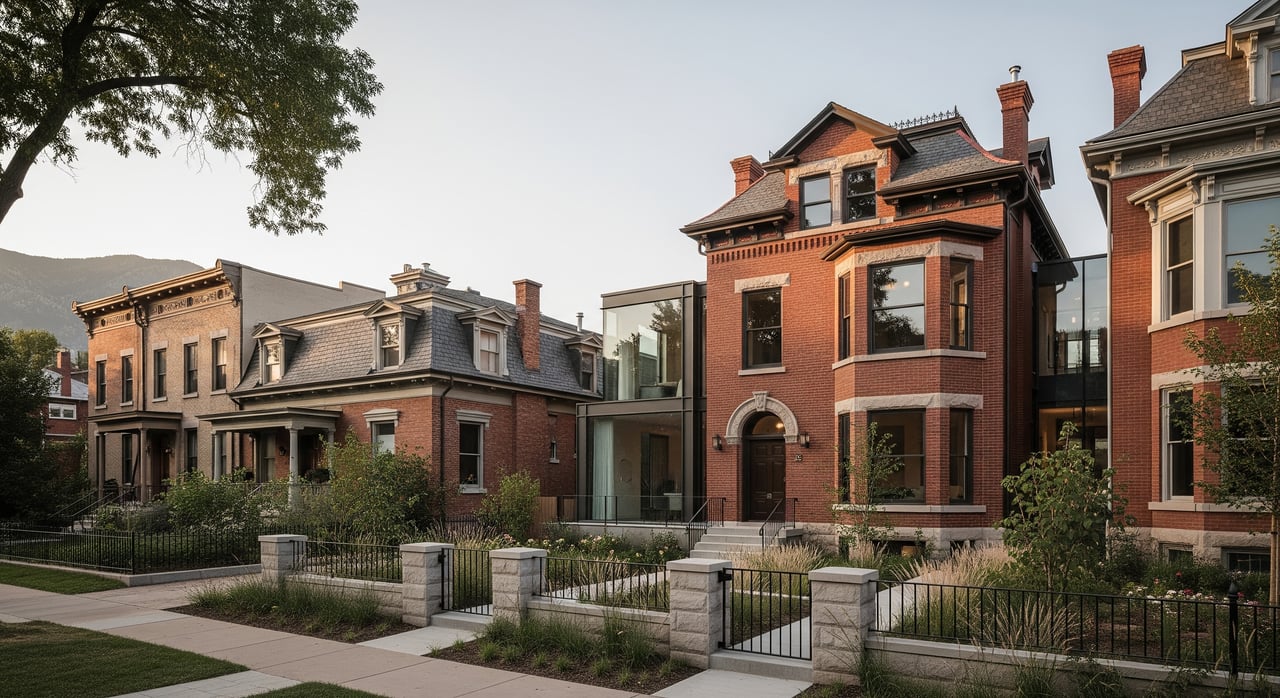
Thinking about a move in Denver’s Highlands? This market rewards you when you track the right numbers and act decisively. Whether you are hunting for an entry-level townhome or preparing to list a renovated single-family home, it can be hard to separate noise from signal. This guide shows you what matters, how the LoHi, Highland, and West Highland submarkets differ, and what to do next. Let’s dive in.
Highlands at a glance
Highlands remains one of Denver’s most sought-after close-in areas thanks to walkability, transit options, and quick access to downtown and I-25. Because many blocks are short and lots are limited, inventory can tighten quickly in specific pockets. Seasonality plays a role too. Spring often brings more listings and buyers, while winter tends to slow, which can shift your strategy.
Key demand drivers you should keep in mind:
- Mortgage rates influence buying power and competition levels.
- Denver’s job base, including tech and healthcare, supports ongoing demand for close-in neighborhoods.
- New construction and infill can add supply in select segments, especially townhomes and condos.
- Short-term-rental and HOA dynamics can affect both inventory and holding costs.
Know your submarkets
LoHi
LoHi sits closest to downtown with a strong retail and dining scene. You see more condos and rowhomes here, plus smaller-footprint vintage homes and infill. Buyers who prioritize walkability often focus their search in LoHi. Prices tend to reflect the location benefits and new construction activity.
Central Highland
Central Highland blends renovated Victorians with newer single-family homes and townhomes. It offers a balance of space and proximity to neighborhood amenities. It is a good target if you want a mix of historic character and updated living without giving up convenience.
West Highland
West Highland is more residential with a higher share of detached single-family homes and some larger lots. Inventory here often includes updated homes with outdoor space and garages. If you value a yard or more square footage, this area is worth a close look.
The metrics that move this market
The right metrics help you read the market and act with confidence. Here are the key ones to watch in Highlands and how to interpret them.
Months of Inventory (MOI)
- What it is: Active listings divided by monthly sales on a rolling basis.
- How to read it: Less than 3 months is a seller’s market. Three to six months is balanced. More than 6 months favors buyers.
- Highlands takeaway: MOI can be very different by property type and by submarket. A low MOI for townhomes in LoHi can still sit alongside a more balanced MOI for renovated single-family homes in West Highland. Segment your view before you set expectations.
Days on Market (DOM)
- What it is: The time it takes a listing to go under contract.
- How to read it: Under 14 days is fast. About 14 to 30 is moderate. Over 30 signals a slower pace.
- Highlands takeaway: Move-in-ready townhomes and well-priced renovated singles can move quickly when MOI is low. DOM creeping up may indicate the need for a price or presentation adjustment.
New-listing acceptance speed
- What it is: The share of new listings that go under contract within 7 to 14 days.
- How to read it: A rising share signals strong demand and readiness among buyers.
- Highlands takeaway: This metric helps you plan your showing cadence as a buyer and your list-date and offer-deadline strategy as a seller.
Sale-to-list price ratio
- What it is: The final sale price divided by the original list price.
- How to read it: Over 100 percent suggests bidding. Between 98 and 100 percent indicates mild negotiation. Under 98 percent often reflects concessions or price reductions.
- Highlands takeaway: In tight segments, you may need to offer near or above list to win. In slower segments, buyers can negotiate more, and sellers should price precisely to the market.
Median price and price per square foot
- What they are: The rolling median sale price and typical price per square foot by property type.
- How to read them: Track 30- and 90-day trends to understand momentum. Compare by property type rather than relying on a single neighborhood-wide number.
- Highlands takeaway: Renovated single-family homes often achieve a premium over unrenovated properties and may compete differently than similarly priced townhomes.
Property-type splits and renovation premium
- What to watch: Inventory, DOM, and price per square foot for condos and townhomes versus detached single-family homes. If MLS fields allow, split renovated versus unrenovated.
- Highlands takeaway: Renovated single-family homes typically command a higher price per square foot and can sell faster than comparable townhomes because of lot size, outdoor space, and garage value.
Transaction quality indicators
- What to watch: The use of inspection waivers, appraisal gap coverage, and the frequency of appraisal issues.
- Highlands takeaway: In rapid or tight markets, appraisal risk can rise. Have a strategy for financing, valuation, and contingencies before you write or accept offers.
If you are buying a townhome
Entry-level townhomes are often the most accessible price point in Highlands. When inventory tightens, competition rises quickly. Here is how to gain an edge:
- Get fully pre-approved. Share a strong pre-approval letter and your lender’s contact details with your offer to demonstrate readiness.
- Act on alerts fast. Set saved searches and tour promising listings as soon as they go live. Ask for same-day or next-day access when possible.
- Write clean, confident terms. Limit unnecessary contingencies and timelines, but avoid waiving inspection outright without careful counsel.
- Prepare for appraisal risk. If offering above list, talk with your lender and agent about appraisal gap strategies and your comfort level.
- Evaluate the HOA in detail. Review rules, reserve studies, budgets, and any pending special assessments so you understand long-term costs.
- Compare total monthly cost. Balance HOA fees with expected savings on exterior maintenance, insurance, and utilities to get an apples-to-apples budget.
- Check financing fit. If you plan to use FHA or VA, verify eligibility for the specific property type or complex early in the process.
If you are selling a renovated single-family home
Renovated single-family homes appeal to a wide pool of buyers who value outdoor space, parking, and updated systems. To capture the premium your improvements deserve, focus on the following:
- Price to the right comps. Use recent renovated-single comparables in your submarket instead of broad neighborhood averages. Emphasize lot size, garage, and outdoor living.
- Elevate presentation. Invest in professional photography, floor plans, and a compelling virtual tour. Highlight before-and-after upgrades and layout flow.
- Stage with purpose. Use selective staging to showcase outdoor zones, flex spaces, and easy parking. Make it simple for buyers to envision daily life.
- Watch MOI and DOM. If supply is tight, consider a strategy that encourages multiple offers with a clear response timeline. If DOM is rising, build in room for measured negotiation or pre-list inspection.
- Market across channels. Pair MLS and portal syndication with targeted lifestyle marketing and neighborhood-level content that reaches relocation buyers.
Timing and seasonality
Spring typically brings the most new listings and active buyers, which can create both opportunity and competition. A polished, well-priced listing can benefit from concentrated attention. Buyers should be prepared to tour quickly and write strong offers.
Late fall and winter often slow. Sellers who list then may face fewer competing listings. Buyers may gain negotiating room or flexible terms. If your timeline is flexible, use seasonality to your advantage rather than fighting it.
How we track Highlands data
Neighborhood conditions change month to month. The smartest moves come from segmenting by submarket and property type, then watching MOI, DOM, and sale-to-list ratio on 30- and 90-day rolling trends. It is also useful to watch how many new listings go under contract within the first two weeks.
If you want a custom snapshot for LoHi, Central Highland, or West Highland, ask for a micro-report that breaks down active inventory, recent solds, and live opportunities by price band and property type. You can also request saved-search alerts tailored to your goals so you never miss the right listing.
Ready to make your next move?
Whether you are buying an entry-level townhome or selling a renovated single-family home, you deserve clear guidance, strong negotiation, and a polished plan. If you want a neighborhood-level briefing or help timing your next step, connect with Molly Weiss for a concise, data-informed strategy.
FAQs
How competitive are Highlands townhomes right now?
- Competition varies by submarket and season, but when months of inventory is low, well-priced townhomes can see quick offers and strong terms within the first two weeks.
Do renovated single-family homes in Highlands sell faster than townhomes?
- Renovated single-family homes often sell faster than similarly priced townhomes because of lot size, outdoor space, and garage value; DOM still depends on pricing and presentation.
What premium do renovated homes get in Highlands?
- Renovated single-family homes typically achieve a higher price per square foot than unrenovated properties; the exact premium depends on finish quality, layout, and location within the submarket.
Are there seasonal patterns in Highlands listings and sales?
- Yes. Spring generally brings more new listings and buyer activity, while winter tends to slow, which can influence both pricing strategy and negotiation room.
Should Highlands buyers waive inspection or appraisal contingencies?
- Proceed carefully; you can write competitive terms without skipping critical protections by tightening timelines, preparing for appraisal gaps, and aligning with your lender and agent.
How do HOA fees and special assessments impact townhome budgets in Highlands?
- HOA dues, reserve health, and any pending assessments affect your total monthly cost; compare dues to expected savings on maintenance and insurance for a complete picture.
What closing timelines are common in Highlands transactions?
- Timelines vary by financing and property type, but clean files and aligned lenders often close in about 30 days; flexibility on possession can strengthen your negotiating position.