Thinking about buying in Denver’s Country Club Historic District? You’re looking at one of the city’s most architecturally significant, low‑density enclaves with enduring demand and limited inventory. The neighborhood’s charm is real, and so are the rules that protect it. In this guide, you’ll learn what homes cost, how historic review works, what timelines to expect, and how to craft a winning offer without surprises. Let’s dive in.
Why Country Club Historic stands out
Country Club is a designated Denver Landmark District, officially listed as District D‑18 with a period of significance from about 1902 to 1945. The city adopted the district ordinance in 1990 to preserve its historic character and scale. You can confirm the district’s official status through the city’s published Landmark Districts list on the Denver website.
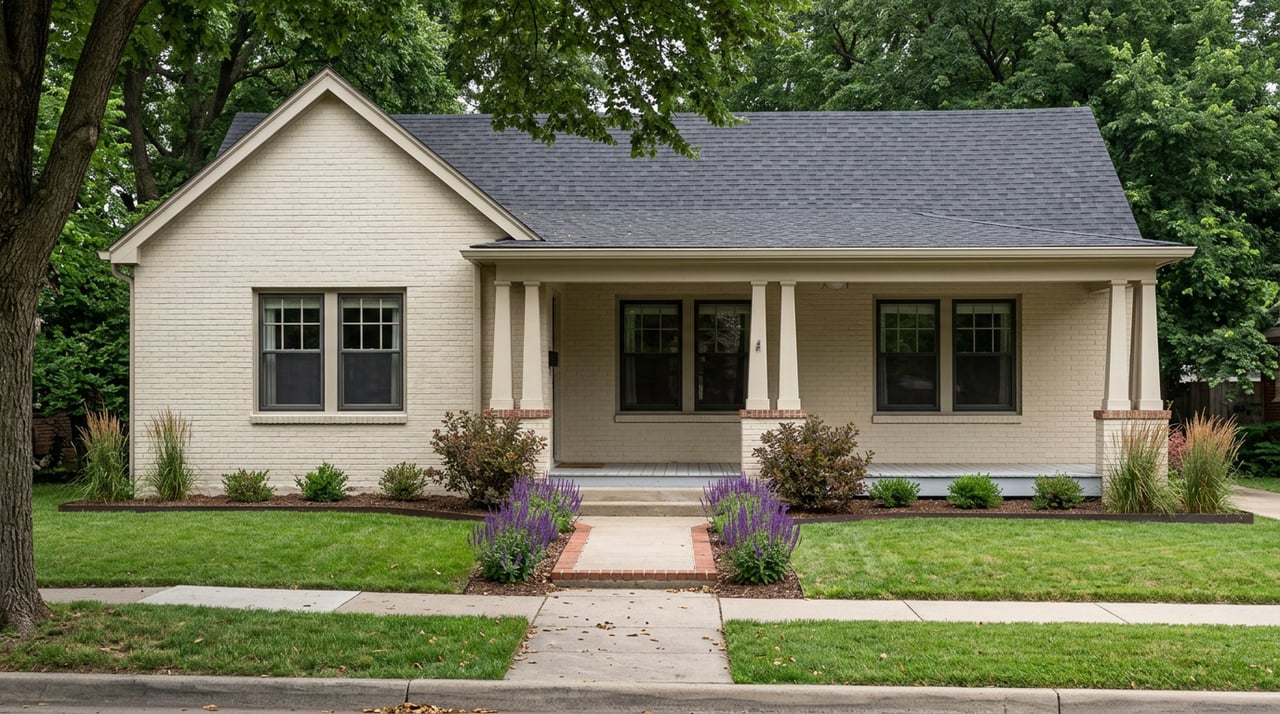
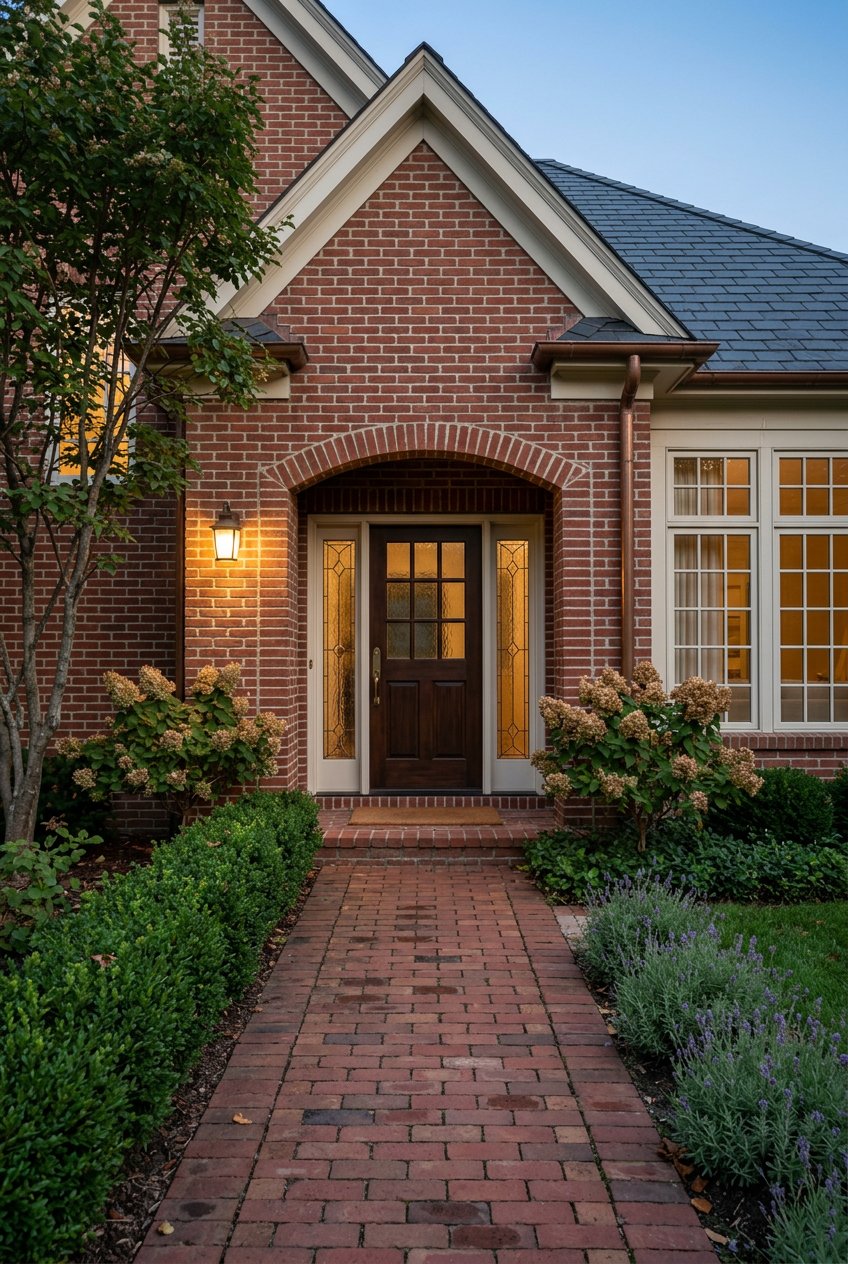
The district’s design guidelines describe a neighborhood of large lots, generous setbacks, mature landscaping, and early‑20th‑century architecture. Expect Denver Squares and eclectic revival styles, with a pedestrian‑friendly feel even where homes have sizable footprints. These characteristics shape how additions, new construction, and site features are reviewed and approved. You can explore the authoritative Country Club Historic design guidelines for a detailed map and subdistrict specifics.
- City’s Landmark Districts list for Country Club D‑18: Denver Landmark Districts list
- Country Club Historic District design rules: Country Club Historic design guidelines
Current prices and inventory
Recent third‑party snapshots put the neighborhood’s median sale price near 2.6 million dollars, with relatively short market times. Because different data providers use different methods, you’ll see variation across sources. For your specific target streets and time frame, ask for an up‑to‑date MLS summary.
A practical way to think about price tiers here:
- Entry to the district: roughly high $1M to $2M for smaller, updated historic homes or modest lots.
- Mid tier: about $2M to $4M for renovated homes on larger lots.
- Upper tier and estates: $4M and up, with one‑off offerings that can exceed $8M to $9M.
Inventory is typically limited, often in the single‑digit to low double‑digit range of active listings. Scarcity, architecture, and location drive long‑term demand and premiums.
What “historic” means for your plans
Country Club is subject to design and demolition review by Denver’s Landmark Preservation Commission. If you plan any exterior work that requires a building, zoning, or related permit, you will need approval before permits are issued. The city issues a Certificate of Appropriateness, often called a COA, for approved projects. Small, routine work may qualify for faster administrative review, while larger projects go to a public Landmark Preservation Commission meeting.
- How design review works: Denver Landmark design‑review process
Design constraints to plan for
The Country Club guidelines focus on preserving the district’s urban form and materials. Key points to know before you write an offer or scope a renovation:
- Setbacks and lot coverage: Typical front setbacks range about 20 to 40 feet, with limited lot coverage to keep the spacious feel.
- Scale and massing: Historic FARs around 0.30 are common. New work is evaluated against subdistrict context and urban form.
- Additions: Place additions at the rear or side to minimize impact on primary elevations. Front additions and front‑facing garages are discouraged; rear or alley‑loaded garages are preferred.
- Height and rooflines: A general guideline notes ridgelines should not exceed about 40 feet in many contexts. Roof forms, materials, and window proportions are specified in detail.
- Site features: Tall front fences, heavy security fencing, or oversized front garages are flagged as detrimental to character.
Plan to provide elevations, material samples, and context imagery when you apply. The more complete your submittal, the smoother the review.
- Full neighborhood standards: Country Club Historic design guidelines
Demolition, teardowns, and new builds
Thinking about a teardown or new primary structure? The city reviews applications for total demolition and for Certificates of Demolition Eligibility. If a structure may be significant, staff posts public notice, and there can be a comment period that may delay or prevent demolition. New construction must be compatible with the district’s sub‑area form and often goes through a two‑step review for massing and details.
- Demolition and eligibility process: Denver Landmark demolition and eligibility
Permitting timeline: what to expect
Timing depends on scope and completeness. Denver’s guidance indicates that complete applications must be scheduled several weeks before a Commission meeting, commonly about four weeks. Some projects qualify for administrative staff review, which is faster. Significant additions or new primary structures may require a two‑step hearing and multiple rounds of submittals. Build this into your offer and renovation timeline.
- Scheduling and review cadence: Denver Landmark design‑review process
A legal note embedded in the district framework: while designation can enhance property value, it may also delay or require denial of permits that do not meet the adopted standards. Planning early avoids surprises.
- District standards reference: Country Club Historic design guidelines
Tax credits and rehab incentives
If you are considering a significant, certified rehabilitation, Colorado offers state historic rehabilitation tax credits with several program pools. The federal 20 percent Historic Rehabilitation Tax Credit applies only to income‑producing certified projects, not typical owner‑occupied homes. These programs have allocation limits and detailed rules, so contact the state early if you think your project may qualify.
- State program overview: Colorado historic rehabilitation tax credit
Location advantages: Cherry Creek and the club
Country Club’s appeal is amplified by proximity to Cherry Creek North’s shopping, dining, and services, plus the green expanse surrounding the private Denver Country Club. Walkability to Cherry Creek North and adjacency to the club’s grounds are frequent buyer priorities and contribute to pricing power.
- Area amenity context: Cherry Creek North Business Improvement District
Flood and environmental checks
Parts of the broader Cherry Creek corridor have documented flood history. If you are evaluating a property closer to the creek or on a low‑lying parcel, check current FEMA and city flood maps and verify insurance requirements with your lender and insurer. Floodplain status can affect both renovation permitting and long‑term carrying costs.
- Technical watershed background: Urban Drainage and Flood Control District resource
What a winning offer looks like here
In a low‑inventory, luxury neighborhood, sellers prioritize certainty. You can stand out by presenting a clean, well‑documented package that removes doubt about financing, timelines, and inspections.
Core elements to consider:
- Proof of funds and a strong preapproval with lender contact information.
- Meaningful earnest money held in escrow, tailored to the deal’s risk profile.
- A clear strategy for appraisal risk, such as appraisal‑gap coverage if appropriate for your finances.
- Tight but fair inspection timelines, with specialists ready for older systems and materials.
- Flexible closing and possession terms, including the possibility of a short rent‑back if the seller requests it.
Simple offer checklist:
- Pre‑offer: secure a written mortgage commitment or have a bridge/delayed‑financing plan. Gather proof of funds for cash components.
- Offer packet: clean contract, preapproval, proof of funds, lender contact, and any addenda for escalation or appraisal‑gap coverage if used.
- Inspections: plan a fast window, often 3 to 7 days in competitive scenarios, and line up a preservation‑savvy architect or contractor if you expect renovations.
- Contingencies: decide what you will shorten versus maintain, and align with your lender on appraisal language.
Buyer due‑diligence checklist
Before you write or while under contract, use this shortlist to protect your plan:
- Request a 90‑day MLS micro‑market summary and any available permit history or prior Landmark approvals for the property.
- Review the Country Club Historic design guidelines and confirm whether past exterior changes were permitted.
- If you plan work, consult a preservation‑experienced architect and a contractor familiar with Denver’s COA process. Ask Landmark staff whether your scope is likely administrative or Commission‑level.
- Check FEMA and city flood maps and consult your insurer about premiums if any portion of the lot lies in a Special Flood Hazard Area.
- For sizable, certified rehabs or income‑producing projects, contact History Colorado or the state’s OEDIT team early about potential tax‑credit eligibility.
Resources:
- Design rules and COA process: Denver Landmark design‑review process
- Country Club standards and subdistrict map: Country Club Historic design guidelines
- State rehab credits: Colorado historic rehabilitation tax credit
- Watershed context: UDFCD technical resource
Is Country Club Historic right for you?
If you want architectural heritage, large lots, and a central location near Cherry Creek, this district delivers. You should also be comfortable working within a thoughtful design‑review framework that preserves neighborhood character. With the right guidance, you can navigate approvals, time your purchase, and position a competitive offer that aligns with your goals.
If you’re exploring a move in Country Club or nearby luxury neighborhoods, connect with a local advisor who understands both the district’s rules and the rhythm of the market. For tailored guidance, private previews, and strategy, reach out to Molly Weiss.
FAQs
What is the Country Club Historic District in Denver?
- It is an officially designated Denver Landmark District (D‑18) with a period of significance around 1902 to 1945, established to preserve the area’s historic architecture and urban form. See the city’s Landmark Districts list for confirmation.
How do historic design guidelines affect home renovations?
- Any exterior work requiring a permit must be reviewed and approved through Denver’s Landmark Preservation process, which issues a Certificate of Appropriateness. Smaller projects may get administrative review; larger changes go to the Landmark Commission.
Can I add a garage or expand a home in Country Club?
- Often, yes, if the design is compatible. The guidelines favor rear or alley‑loaded garages and place additions at the rear or side. Front additions and front‑facing garages are discouraged, and height, roof form, and materials are tightly guided.
Can I tear down and build new in Country Club Historic?
- Possible, but demolition triggers Landmark review and public notice. A Certificate of Demolition Eligibility may be needed for certainty, and new construction must fit the district’s sub‑area context. Plan for added time and scrutiny.
What timelines should I expect for Landmark approvals?
- Plan weeks to months, depending on scope. Complete applications are typically scheduled several weeks before Commission meetings, and significant projects may require two‑step review for massing and details.
Do state or federal historic tax credits apply to my project?
- Colorado offers state credits for certain certified rehabilitations, with multiple program pools. The federal 20 percent credit applies to income‑producing certified projects, not most owner‑occupied homes. Contact the state early to check eligibility.
Are there flood considerations near Cherry Creek?
- Yes. Parts of the corridor have documented flood history. Check parcel‑level flood maps and confirm insurance needs, since floodplain status can affect both permitting and costs.